

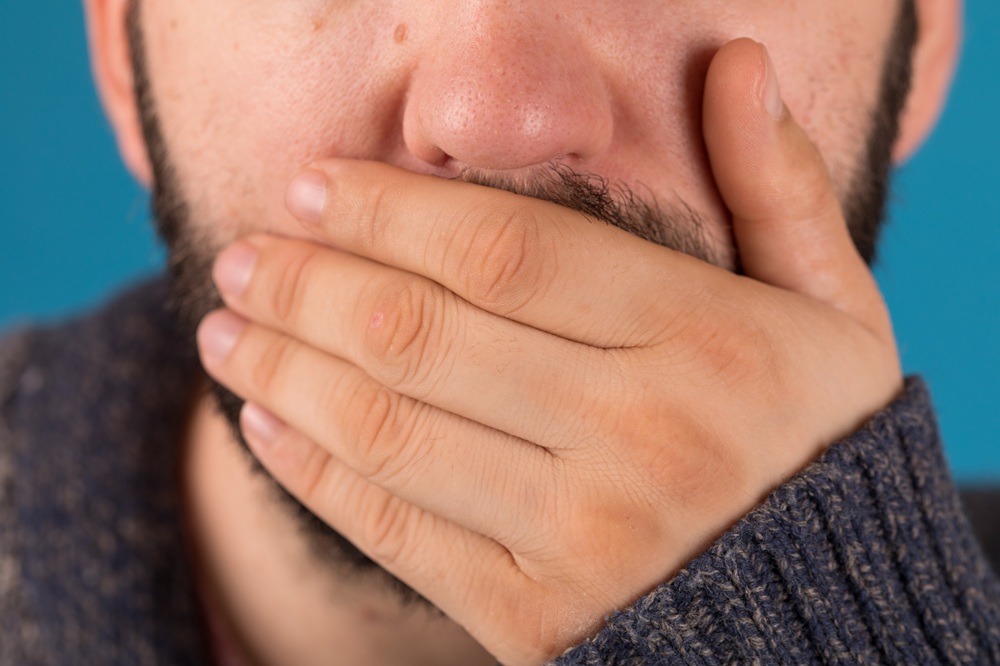
Why Do I Have Bad Breath Even After Brushing My Teeth?
You brush your teeth, rinse your mouth, and feel confident that your breath is fresh. But a short time later, that unpleasant odor returns. Maybe you’ve noticed it yourself, or perhaps someone close to you has mentioned it. Either way, dealing with bad breath despite brushing regularly can be frustrating and embarrassing.
The good news is that persistent bad breath is common, and in many cases, the underlying cause can be identified and treated. While brushing is an essential part of maintaining fresh breath, it doesn’t always address everything contributing to the problem.
Bad breath, also known as halitosis, can develop for several reasons, including bacteria on the tongue, gum disease, dry mouth, tooth decay, certain foods, and medical conditions. Understanding what’s causing the odor is the first step toward finding a lasting solution.
At Briargate Dental in Colorado Springs, we help patients identify oral health concerns that may contribute to persistent bad breath. If you’ve been wondering why your breath still smells unpleasant even after brushing, here’s what you should know.
Why Does My Breath Still Smell After Brushing?
Brushing removes plaque, bacteria, and food debris from the surfaces of your teeth. However, bacteria can also accumulate in areas your toothbrush doesn’t effectively reach, including between teeth, beneath the gumline, and along the surface of your tongue.
These bacteria can produce volatile sulfur compounds, which are responsible for many of the unpleasant odors associated with bad breath.
If the source of the odor remains after brushing, your breath may become unpleasant again relatively quickly.
In some cases, bad breath isn’t primarily caused by oral hygiene at all. Dry mouth, certain medications, sinus problems, and other medical conditions may also contribute.
That’s why treating persistent bad breath often requires looking beyond your brushing routine.
1. Bacteria on Your Tongue
One of the most overlooked causes of bad breath is bacterial buildup on the tongue.
Your tongue has a textured surface with tiny grooves and projections that can trap bacteria, food particles, and dead cells. This buildup is especially common toward the back of the tongue, where it may be difficult to clean effectively.
When bacteria break down proteins and other substances, they can release odor-producing compounds.
How Can You Tell If Your Tongue Is Causing Bad Breath?
You may notice a white or yellowish coating on your tongue, particularly toward the back. However, tongue-related bad breath can occur even without an obvious coating.
Cleaning your tongue gently with a toothbrush or tongue scraper may help reduce bacterial buildup and improve breath freshness.
Be careful not to scrape aggressively, as excessive pressure can irritate the tongue.
2. Gum Disease
Gum disease is another common cause of persistent bad breath, particularly when brushing and mouthwash provide only temporary relief.
Periodontal disease develops when plaque and bacteria accumulate around the teeth and beneath the gumline. As inflammation progresses, pockets may form between the teeth and gums, creating spaces where bacteria can continue to collect.
These bacteria can produce unpleasant odors that are difficult to eliminate with brushing alone.
Signs That Gum Disease May Be Causing Bad Breath
- Bleeding when brushing or flossing
- Red or swollen gums
- Persistent bad breath
- Gum recession
- An unpleasant taste in the mouth
- Loose or shifting teeth in advanced cases
Gum disease doesn’t always cause pain, especially in its earlier stages. This means patients may experience persistent bad breath without realizing that their gums need attention.
Briargate Dental provides gum and bone dental services to help patients address periodontal concerns and maintain healthier gums.
If you’ve noticed changes in your gumline, our article on what causes receding gums and whether they can grow back explains additional warning signs to watch for.
3. Dry Mouth
Saliva plays an important role in keeping your mouth clean and your breath fresh. It helps wash away food particles, neutralize acids, and control bacterial buildup.
When your mouth doesn’t produce enough saliva, bacteria and food debris can accumulate more easily, contributing to unpleasant odors.
Dry mouth, also known as xerostomia, may be caused by several factors, including:
- Certain prescription and over-the-counter medications
- Dehydration
- Mouth breathing
- Sleep-related breathing problems
- Tobacco use
- Certain medical conditions
- Some medical treatments
Dry mouth is particularly common during sleep because saliva production naturally decreases overnight. This is one reason morning breath is so common.
How Can You Improve Dry Mouth?
Drinking water regularly, limiting alcohol-containing mouthwashes, and using sugar-free gum or lozenges may help stimulate saliva production.
However, persistent dry mouth should be evaluated because it can increase your risk of cavities, gum problems, and other oral health concerns.
If you suspect a medication is contributing to dry mouth, discuss the issue with your prescribing healthcare provider rather than stopping the medication on your own.
4. Cavities and Tooth Decay
Tooth decay can contribute to persistent bad breath, particularly when cavities become large enough to trap food particles and bacteria.
As bacteria accumulate in damaged areas of a tooth, unpleasant odors may develop.
In some cases, patients also notice a bad taste, tooth sensitivity, or discomfort when chewing.
However, cavities don’t always cause noticeable pain. Some patients have significant decay without realizing it until a dental examination reveals the problem.
Can a Tooth Infection Cause Bad Breath?
Yes. An infected tooth or dental abscess may cause an unpleasant taste or odor, particularly if drainage is present.
Other symptoms may include persistent tooth pain, swelling, sensitivity, or discomfort when biting down.
Our article on why your tooth hurts when you bite down covers several conditions that can cause pain and other dental symptoms.
If you suspect a dental infection, schedule an evaluation promptly. Infections generally require professional treatment and should not be managed with mouthwash or breath mints alone.
5. Food Particles Between Your Teeth
Even if you brush twice daily, food particles can remain trapped between your teeth and along the gumline.
When these particles begin breaking down, bacteria can produce unpleasant odors.
This is one reason flossing is such an important part of maintaining fresh breath.
Brushing primarily cleans the visible surfaces of your teeth, while flossing helps remove plaque and debris from areas that toothbrush bristles may not reach effectively.
Does Flossing Really Help Bad Breath?
Yes. Daily flossing can help reduce bacterial buildup between teeth and remove trapped food particles that contribute to odor.
If you notice an unpleasant smell when flossing a particular area, it may indicate that food or plaque has been accumulating there.
Persistent odor from one area may also be associated with gum inflammation, a cavity, or another dental concern.
For additional preventive care tips, read our guide to the top 10 habits for a healthy smile.
6. Certain Foods and Beverages
Some foods contain compounds that can temporarily affect your breath even after brushing.
Garlic and onions are two familiar examples. After digestion, some odor-producing compounds can enter the bloodstream and eventually be released through the lungs when you breathe.
This means brushing and mouthwash may improve the odor in your mouth without completely eliminating food-related breath changes.
Other dietary factors may include:
- Strongly flavored foods
- Coffee
- Alcohol
- Frequent sugary snacks
- Very low-carbohydrate diets
- Extended periods without eating
Food-related bad breath is usually temporary, but frequent consumption of certain foods and beverages can make it a recurring concern.
Drinking water, maintaining good oral hygiene, and paying attention to dietary triggers may help.
7. Tonsil Stones, Sinus Problems, and Other Medical Conditions
Not every case of persistent bad breath begins in the mouth.
Tonsil stones, also called tonsilloliths, are small deposits that can develop in the crevices of the tonsils. They may contain bacteria, mucus, and debris that produce an unpleasant odor.
Some patients notice small white or yellowish particles near the tonsils, a persistent bad taste, or the sensation that something is stuck in the throat.
Sinus infections, postnasal drainage, and certain respiratory conditions may also contribute to breath odor.
Other medical conditions, including poorly controlled diabetes and some gastrointestinal or metabolic disorders, can sometimes affect breath odor as well.
If your dentist doesn’t identify an oral health cause, they may recommend discussing persistent symptoms with your primary care provider or another appropriate medical professional.
Why Does My Breath Smell Worse in the Morning?
Morning breath is extremely common, even among people with excellent oral hygiene.
While you sleep, saliva production naturally decreases. Because saliva helps control bacteria and wash away debris, reduced saliva allows odor-producing bacteria to become more active.
Mouth breathing, snoring, dehydration, and certain medications may make morning breath more noticeable.
For many people, drinking water, eating breakfast, and brushing their teeth improve the problem.
However, if bad breath remains strong throughout the day despite consistent oral hygiene, another factor may be involved.
Does Mouthwash Actually Fix Bad Breath?
Mouthwash can be helpful, but its effectiveness depends on the product and the underlying cause of the odor.
Some mouthwashes primarily mask unpleasant smells with flavoring ingredients. Others contain antibacterial or odor-neutralizing ingredients designed to reduce compounds associated with bad breath.
Even therapeutic mouthwash cannot eliminate every cause of halitosis.
For example, mouthwash won’t repair a cavity, treat an infected tooth, or remove hardened tartar beneath the gumline.
If dry mouth is contributing to your symptoms, certain alcohol-containing rinses may make the problem worse.
Your dentist can recommend oral hygiene products based on your individual needs.
How to Get Rid of Bad Breath That Won’t Go Away
Improving persistent bad breath often requires a combination of consistent oral hygiene and addressing any underlying dental or medical concerns.
Brush Twice a Day
Brush your teeth thoroughly for two minutes using fluoride toothpaste and a soft-bristled toothbrush.
Pay attention to the gumline and the back teeth, where plaque can accumulate.
Floss Every Day
Flossing removes food particles and plaque from between teeth, helping reduce bacterial buildup in areas your toothbrush may miss.
Clean Your Tongue
Gently brush or scrape your tongue to remove odor-producing bacteria, particularly toward the back.
Stay Hydrated
Drinking water throughout the day helps support normal saliva production and wash away food particles.
This can be especially helpful for patients who experience dry mouth.
Limit Tobacco and Alcohol
Tobacco use can contribute to unpleasant breath and increase the risk of gum disease.
Alcohol may contribute to dry mouth, making odor-producing bacteria more noticeable.
Schedule Routine Dental Cleanings
Professional cleanings remove plaque and hardened tartar that cannot be eliminated through brushing and flossing alone.
Routine dental examinations also allow your dentist to identify cavities, gum disease, and other conditions that may contribute to bad breath.
Briargate Dental offers comprehensive family dentistry services for patients throughout Colorado Springs.
When Should You See a Dentist for Persistent Bad Breath?
Occasional bad breath after eating garlic, drinking coffee, or waking up in the morning is usually not a reason for concern.
However, persistent bad breath that continues despite brushing, flossing, and tongue cleaning may indicate an underlying problem.
Schedule a dental appointment if:
- Your bad breath returns quickly after brushing
- You regularly experience an unpleasant taste in your mouth
- Your gums bleed when brushing or flossing
- You notice gum swelling or recession
- You have tooth sensitivity or pain
- You experience persistent dry mouth
- Someone frequently notices an unpleasant odor on your breath
- Breath mints and mouthwash provide only temporary relief
A dental examination can help determine whether the problem is related to oral hygiene, periodontal disease, tooth decay, or another condition.
For additional warning signs, visit our article on the top 10 signs you should schedule a dental appointment.
Frequently Asked Questions About Bad Breath
Why Does My Breath Smell Bad Even After Brushing?
Bad breath can persist after brushing because bacteria may remain on the tongue, between teeth, or beneath the gumline. Dry mouth, gum disease, cavities, certain foods, and medical conditions can also contribute.
Can Gum Disease Cause Bad Breath?
Yes. Gum disease allows bacteria to accumulate around the teeth and beneath the gumline. These bacteria can produce unpleasant odors that brushing alone may not eliminate.
Does Cleaning Your Tongue Help With Bad Breath?
Yes. Cleaning your tongue can help remove bacteria and debris that contribute to unpleasant breath odors. A toothbrush or tongue scraper can be used gently as part of your daily oral hygiene routine.
Can Dry Mouth Cause Persistent Bad Breath?
Yes. Saliva helps wash away food particles and control bacterial buildup. When saliva production decreases, odor-producing bacteria may accumulate more easily.
Can a Cavity Make Your Breath Smell Bad?
Yes. Cavities can trap bacteria and food debris, contributing to unpleasant odors. Advanced decay or dental infections may also cause a bad taste or persistent bad breath.
Should I See a Dentist If My Bad Breath Won’t Go Away?
Yes. If bad breath continues despite consistent brushing, flossing, tongue cleaning, and hydration, a dental examination can help identify potential oral health causes. If no dental cause is found, your dentist may recommend further medical evaluation.
Get Help With Persistent Bad Breath at Briargate Dental in Colorado Springs
Persistent bad breath can be frustrating, but it doesn’t have to be something you simply accept. Whether the cause is bacterial buildup, gum disease, dry mouth, tooth decay, or another concern, identifying the underlying problem is the first step toward improving your breath and protecting your oral health.
At Briargate Dental, we provide comprehensive dental care for patients throughout Colorado Springs. Our team can evaluate your teeth and gums, identify potential causes of persistent bad breath, and recommend treatment options based on your individual needs.
If you’re struggling with bad breath that won’t go away despite brushing and flossing, schedule an appointment with Briargate Dental today. We’ll help you understand what’s causing the problem and develop a plan for a healthier mouth and fresher breath.
Recent Comments