For decades, the path to a straighter smile was lined with metal brackets, wires, rubber bands, and a lot of patience. But thanks to innovations in modern orthodontics, you no longer need to wear traditional braces to achieve great results. Enter Invisalign, a game-changing solution that has helped millions of people around the world straighten their teeth with greater comfort, flexibility, and confidence.
At Briargate Dental in Colorado Springs, Invisalign is one of our most popular services among both teens and adults. While the clear aligners look simple, they are the product of sophisticated design and technology. Patients love Invisalign not only for how well it works, but for how seamlessly it fits into their lifestyle.
If you’re considering orthodontic treatment and wondering whether Invisalign might be right for you, this blog will walk you through the top seven benefits of choosing clear aligners for your smile transformation.
Invisalign Is Virtually Invisible
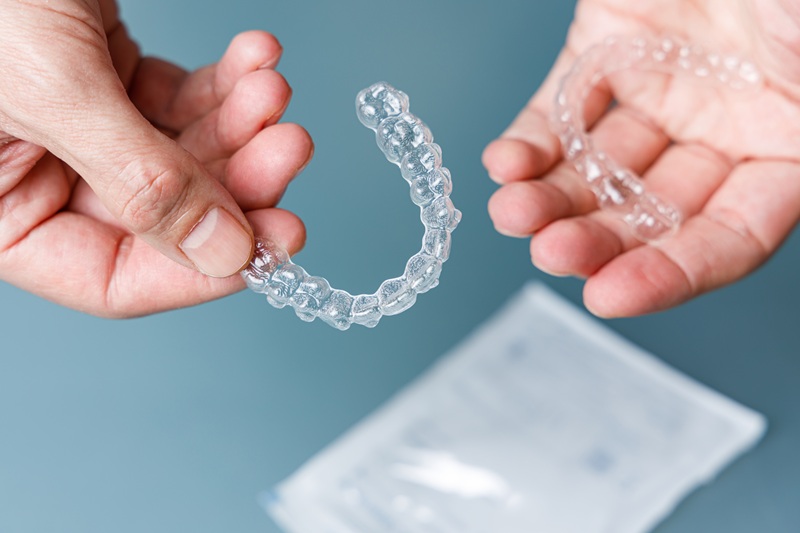
One of the most appealing aspects of Invisalign is right in the name. These aligners are made from a transparent, BPA-free plastic that is practically invisible when worn. That means you can straighten your teeth without drawing attention to your treatment.
For adults who work in professional environments, attend frequent social events, or simply feel self-conscious about wearing braces, this level of discretion is a major plus. Many patients report that even their closest friends and coworkers don’t realize they’re wearing aligners.
This discreet design is especially valuable if you’re:
Giving frequent presentations or attending meetings
Taking photos or videos regularly
Planning a wedding or special event
Just looking to avoid the appearance of metal braces
With Invisalign, your orthodontic journey stays private while your confidence grows more visible every day.
Invisalign Aligners Are Removable
Another standout feature of Invisalign is that the aligners are completely removable. Unlike traditional braces, which are cemented to your teeth, Invisalign trays can be taken out at any time, giving you much more freedom in your daily routine.
You’ll remove your aligners for:
Eating and drinking (anything besides water)
Brushing and flossing
Special occasions or performances
Sports or other activities where you prefer not to wear them
This removability means you won’t have to adjust your diet around your treatment. Popcorn, apples, steak, gum, and other foods that are typically off-limits with braces are still on the menu with Invisalign. Just be sure to brush your teeth before putting the trays back in.
It also allows you to keep your regular hygiene routine without struggling to clean around wires and brackets. That brings us to the next benefit.
Invisalign Makes Oral Hygiene Easier
Anyone who’s ever had traditional braces knows how challenging it can be to keep your teeth clean. Flossing around wires, brushing under brackets, and avoiding food buildup can be a daily struggle. Invisalign eliminates most of those concerns.
Since the aligners are removable, you can:
Brush your teeth as you normally would
Floss without special tools
Use mouthwash freely
Clean the aligners separately to avoid odor and buildup
Invisalign patients tend to have an easier time maintaining healthy teeth and gums throughout treatment. This reduces the risk of cavities, gum inflammation, and staining during your orthodontic journey.
At Briargate Dental, we give patients detailed instructions on how to clean their aligners and teeth to ensure everything stays fresh, clear, and healthy throughout the process.
Invisalign Is More Comfortable Than Braces
Traditional metal braces are effective, but they come with their share of discomfort. The brackets can irritate the inside of your cheeks, wires can poke out unexpectedly, and tightening appointments often result in soreness.
Invisalign aligners are custom-made to fit snugly over your teeth using smooth, flexible SmartTrack material. There are no sharp edges or abrasive surfaces to irritate your mouth. While you may experience mild pressure when switching to a new set of aligners, especially in the first few days, that feeling is generally much less intense than the discomfort of braces.
Some key comfort advantages of Invisalign include:
No metal components to cause sores or cuts
Even, gentle pressure that moves teeth gradually
No emergency visits for broken brackets or snapped wires
Easier speech adaptation and less interference with daily activities
Invisalign is designed for comfort, making it a great option for patients who want a smoother, less disruptive treatment experience.
Invisalign Works With Your Schedule
Modern life is busy. Between work, family, school, and social commitments, most patients don’t want a treatment plan that takes over their calendar. Invisalign offers more flexibility than traditional orthodontics, making it easier to fit into your schedule.
Here’s how Invisalign makes things more convenient:
Fewer Office Visits: While traditional braces often require frequent adjustments, Invisalign patients typically check in every six to eight weeks.
Quicker Appointments: Without the need to tighten wires or repair brackets, appointments are generally shorter and more efficient.
Remote Monitoring Options: In some cases, especially for established patients, progress can be monitored virtually using scans or photos.
Easy Aligner Changes: You can switch to your next set of aligners at home, on the schedule prescribed by your dentist.
Whether you’re traveling, working full time, or managing a household, Invisalign adapts to your lifestyle instead of demanding that you adapt to it.
Invisalign Can Address a Wide Range of Dental Issues
Invisalign is more than just a cosmetic solution. It can treat a variety of common orthodontic problems that impact both appearance and oral health. While it’s not the right fit for every case, advancements in Invisalign’s technology mean it can now correct issues that were once only treatable with braces.
Common problems Invisalign can address include:
Crooked or misaligned teeth
Spacing or gaps
Overbite and underbite
Crossbite
Open bite
During your consultation at Briargate Dental, we will evaluate your smile and let you know whether Invisalign is the right treatment option for your specific needs.
Invisalign Builds Confidence During and After Treatment
For many patients, the decision to straighten their teeth is not just about function. It’s also about self-confidence. When your smile doesn’t reflect how you feel inside, it can affect everything from your social life to your career.
Because Invisalign is nearly invisible, many patients start to feel more confident early in their treatment. They’re no longer hiding their smile in photos or avoiding conversations where someone might notice their braces.
And once treatment is complete, the results are life-changing. Straighter teeth not only look more attractive, but they also contribute to better oral health and comfort. You’ll feel more confident speaking, smiling, laughing, and simply being yourself.
Patients at Briargate Dental often share stories of how Invisalign helped them feel more empowered at work, more at ease in social settings, and more comfortable in their own skin.
What to Expect When Starting Invisalign
Choosing Invisalign is an exciting step toward better oral health and a more confident smile. Here’s what the process looks like at Briargate Dental:
Initial Consultation
We begin with a full evaluation of your teeth, bite, and goals. Using digital imaging technology, we create a 3D model of your mouth to map out your treatment.
Custom Treatment Plan
Your dentist will design a series of aligners that move your teeth in stages. You’ll be able to see a digital preview of your future smile.
Wearing Your Aligners
You’ll wear your aligners for 20 to 22 hours per day, changing to a new set every one to two weeks. You’ll have regular check-ins with our team to monitor progress.
Maintaining Your Results
After treatment, you’ll receive a custom retainer to keep your smile in place long term. We’ll provide care instructions and follow-up appointments to make sure your results last.
Is Invisalign Right for You?
Invisalign is a fantastic option for many teens and adults who want a straighter smile without the hassles of braces. You may be a good candidate for Invisalign if you:
Have mild to moderate alignment issues
Are committed to wearing your aligners consistently
Want a discreet and convenient treatment option
Value flexibility and comfort in your treatment plan
That said, some complex cases may still require traditional braces or combination therapy. The best way to know for sure is to schedule a consultation with a trusted provider.
Why Choose Briargate Dental for Invisalign in Colorado Springs?
At Briargate Dental, we take pride in offering personalized, high-quality Invisalign treatment in a welcoming environment. Here’s why patients choose us:
Experienced Invisalign Providers: Our dentists have extensive experience with clear aligners and stay up to date with the latest treatment techniques
Cutting-Edge Technology: We use digital impressions and 3D scans for precise, comfortable treatment planning
Patient-Centered Care: You’re not just another set of teeth. We listen to your goals, answer your questions, and support you every step of the way
Convenient Location: Our office is centrally located in Colorado Springs, making it easy to access care near home or work
Flexible Financing: We work with many insurance providers and offer flexible payment plans to make treatment affordable
Your comfort, satisfaction, and results are our top priorities.
A Straighter Smile Is Closer Than You Think
If you’ve been considering orthodontic treatment but haven’t wanted to deal with the appearance or discomfort of metal braces, Invisalign could be the solution you’ve been waiting for. From its nearly invisible appearance to the freedom of removable aligners, Invisalign delivers powerful results with a patient-friendly experience.
Straightening your teeth isn’t just about looks. It’s about improving your oral health, protecting your bite, and boosting your confidence in every area of life.
Ready to learn more? Schedule your Invisalign consultation with Briargate Dental in Colorado Springs today and take the first step toward the smile you’ve always wanted.
A healthy smile is about more than just bright, white teeth. Your gums play a vital role in supporting and protecting those teeth throughout your lifetime. Yet as we age, our gums often become more vulnerable to inflammation, infection, and disease. Maintaining healthy gums later in life is one of the most important ways to preserve your natural teeth, protect your oral health, and support your overall well-being.
At Briargate Dental, we know that gum health is often overlooked, especially by older adults who may assume that sore or bleeding gums are simply a normal part of aging. The truth is that gum problems are not inevitable. With the right habits, professional care, and awareness, it’s entirely possible to keep your gums healthy well into your senior years.
In this guide, we’ll explain what happens to your gums as you age, why they’re so important to your health, and the best strategies to keep them strong and disease-free for life.
Why Gum Health Matters
Gums, or gingiva, provide the foundation for your teeth. They act as a protective seal, keeping bacteria from reaching the roots and bone underneath. Healthy gums are pink, firm, and fit snugly around the teeth. When gums become inflamed or infected, it can lead to periodontal (gum) disease, which is one of the leading causes of tooth loss in adults.
Beyond the mouth, gum disease is also linked to several systemic health conditions, including heart disease, diabetes, respiratory infections, and even Alzheimer’s disease. This connection, known as the oral-systemic link, shows how closely oral health and general health are related.
In other words, protecting your gums does far more than preserve your smile. It also helps protect your overall health and quality of life as you age.
What Happens to Your Gums as You Age
Aging naturally brings changes to your mouth that can affect your gums:
Reduced blood flow: Circulation tends to decrease with age, which can slow healing and make the gums more prone to irritation.
Thinner tissue: The gum tissue itself can become thinner and more fragile, making it easier for bacteria to enter.
Receding gums: Years of brushing, grinding, or inflammation can cause the gums to pull away from the teeth, exposing sensitive roots.
Dry mouth: Many medications used later in life cause reduced saliva flow, which increases the risk of gum disease and tooth decay.
Changes in immune response: The body’s ability to fight infection weakens with age, which can allow bacteria to flourish in the gums.
While these changes are common, they do not mean gum disease is unavoidable. The key is proactive care, prevention, and regular dental visits.
The Stages of Gum Disease
Understanding how gum disease develops can help you recognize and address it early.
Gingivitis: The earliest stage, caused by plaque buildup at the gumline. Symptoms include redness, swelling, and bleeding during brushing or flossing. Gingivitis is reversible with proper care.
Periodontitis: If gingivitis is left untreated, it can progress to periodontitis. This stage involves deeper infection and inflammation, leading to gum recession, bone loss, and tooth mobility.
Advanced Periodontitis: The final stage can cause severe pain, tooth loss, and even damage to the jawbone. Treatment at this point often requires deep cleaning, surgery, or grafting.
Recognizing gum problems early gives you the best chance to stop the disease in its tracks.
Habit 1: Brush Gently, Not Aggressively
Brushing twice a day is one of the most important habits for maintaining gum health. However, many people make the mistake of brushing too hard, which can actually harm gum tissue.
Use a soft-bristled toothbrush and gentle circular motions to clean along the gumline. Avoid sawing back and forth, which can wear away enamel and irritate your gums. An electric toothbrush is often a great option for older adults because it provides consistent pressure and thorough cleaning with less effort.
Also, choose a toothpaste with fluoride and, if possible, ingredients designed for gum health. Look for the ADA Seal of Acceptance to ensure it meets quality and safety standards.
Habit 2: Floss Daily
Flossing removes plaque and food debris from between teeth and below the gumline, where a toothbrush cannot reach. Skipping this step allows bacteria to accumulate, eventually leading to inflammation and bleeding.
If traditional floss is difficult due to arthritis or dexterity issues, consider alternatives such as:
Floss picks or pre-threaded flossers
Interdental brushes
Water flossers, which use a stream of water to clean between teeth
The key is consistency. Cleaning between your teeth every day makes a major difference in preventing gum disease.
Habit 3: Use Mouthwash for Added Protection
A therapeutic mouthwash can help control bacteria, reduce inflammation, and freshen breath. Look for alcohol-free mouthwashes that contain antibacterial or fluoride ingredients. Alcohol-based products can dry out the mouth, making gum problems worse.
Rinse once or twice daily after brushing and flossing. If you’re managing gum inflammation, your dentist may recommend a prescription-strength rinse to help control infection.
Habit 4: Stay Hydrated and Combat Dry Mouth
Dry mouth, or xerostomia, is a common problem as we age. It’s often caused by medications used to treat high blood pressure, allergies, or depression. Without enough saliva, the mouth cannot neutralize acids or wash away bacteria effectively, leading to gum disease and tooth decay.
To relieve dry mouth:
Drink plenty of water throughout the day.
Chew sugar-free gum to stimulate saliva flow.
Avoid alcohol, caffeine, and tobacco.
Use a humidifier at night to add moisture to the air.
Try mouth rinses or lozenges made specifically for dry mouth relief.
If dryness persists, discuss it with your dentist or physician. There may be alternatives or additional treatments that can help.
Habit 5: Eat a Gum-Healthy Diet
What you eat directly affects the condition of your gums. A balanced diet rich in vitamins and minerals supports tissue repair, reduces inflammation, and strengthens your body’s defenses against infection.
Focus on:
Vitamin C: Found in citrus fruits, berries, and peppers, it helps repair and maintain gum tissue.
Calcium and Vitamin D: Found in dairy products, leafy greens, and fortified foods, these nutrients strengthen bones and teeth.
Omega-3 fatty acids: Found in fish, walnuts, and flaxseeds, they help reduce inflammation.
Antioxidants: Found in colorful fruits and vegetables, they protect gum tissue from damage.
Try to limit processed foods, refined sugars, and acidic drinks like soda, which can encourage bacterial growth and irritate gums.
Habit 6: Avoid Tobacco Products
Tobacco is one of the biggest risk factors for gum disease. It restricts blood flow to the gums, impairs healing, and increases plaque buildup. Smokers are twice as likely to develop gum disease as non-smokers, and the damage progresses more rapidly.
Quitting smoking or using smokeless tobacco can dramatically improve gum health. Even after years of use, your body begins to heal once you quit. Your dentist or physician can recommend cessation programs or aids to make the process easier.
Habit 7: Manage Health Conditions
Certain systemic health conditions can increase your risk of gum problems. For example, diabetes can reduce your ability to fight infection and slow healing. Heart disease, arthritis, and autoimmune disorders can also be linked to gum inflammation.
Work closely with your healthcare providers to manage chronic conditions. Maintaining stable blood sugar, for instance, helps prevent gum disease in diabetic patients. Regular communication between your dentist and doctor can lead to better overall care.
Habit 8: Visit Your Dentist Regularly
Regular dental checkups are essential for maintaining gum health at any age, but especially later in life. Professional cleanings remove tartar that cannot be brushed or flossed away. Your dentist can also identify early signs of gum disease, bone loss, or oral cancer.
Most adults should see their dentist every six months. However, if you have gum disease, you may need more frequent cleanings known as periodontal maintenance visits. These appointments help control bacteria and prevent the condition from worsening.
During your visits, your dental team can also evaluate your brushing and flossing techniques, discuss any medication side effects, and customize your at-home care routine.
Habit 9: Be Gentle on Dental Work and Appliances
Many older adults have crowns, bridges, dentures, or implants. While these restorations can improve function and appearance, they also require special care. Plaque can still accumulate around them, putting nearby gum tissue at risk.
Clean around dental appliances carefully each day using floss threaders, interdental brushes, or water flossers. If you wear dentures, remove and clean them daily to prevent irritation or infection. Never sleep with dentures in place, as this can cause sore spots and allow bacteria to thrive.
Regular dental visits are essential for ensuring that these appliances fit properly and are not damaging surrounding tissue.
Habit 10: Pay Attention to Warning Signs
Many people ignore early signs of gum trouble because they are mild or painless. However, early detection makes all the difference in successful treatment.
See your dentist promptly if you notice any of the following:
Bleeding while brushing or flossing
Red, swollen, or tender gums
Persistent bad breath or a bad taste
Gums that pull away from teeth
Loose or shifting teeth
Changes in your bite or dentures no longer fitting properly
Catching gum disease early allows for less invasive treatment and helps preserve your natural teeth.
The Connection Between Gums and Overall Health
Healthy gums are linked to a healthier body. Research has shown that bacteria from gum infections can enter the bloodstream and contribute to inflammation throughout the body. This systemic inflammation can affect the heart, lungs, and even the brain.
People with gum disease are more likely to experience complications with conditions like diabetes, respiratory infections, and cardiovascular disease. Conversely, improving gum health can help manage these conditions more effectively.
That’s why maintaining healthy gums later in life is not just a dental priority but a key part of whole-body wellness.
Professional Treatments for Aging Gums
Even with excellent home care, some people develop gum issues due to genetics, medication, or past neglect. Fortunately, modern dentistry offers effective treatments that can restore gum health and prevent further damage.
Common treatments include:
Scaling and root planing: A deep cleaning procedure that removes plaque and tartar from below the gumline.
Antibiotic therapy: Used to control bacterial infection in the gums.
Gum grafts: Used to replace lost tissue in cases of gum recession.
Laser therapy: Minimally invasive treatment that removes infected tissue and promotes healing.
Surgical procedures: For advanced cases, surgery may be needed to clean deep pockets or reshape the bone around teeth.
Your dentist will recommend a treatment plan based on your specific needs and the stage of your gum condition.
Building Lifelong Gum Health
Gum care is a lifelong commitment, and it’s never too late to start. Whether you’re in your 40s, 60s, or beyond, developing strong oral hygiene habits can make a lasting difference. Here are some simple ways to stay consistent:
Keep your dental supplies visible and accessible.
Set reminders for brushing, flossing, and rinsing.
Schedule dental appointments well in advance.
Stay informed about your medications and their oral side effects.
Maintain a healthy diet and lifestyle.
Taking small, consistent steps each day helps preserve your smile and confidence at every stage of life.
The Role of Your Dental Team
Your dentist is your partner in lifelong oral health. At Briargate Dental, we tailor our approach to meet the needs of patients at every age. We monitor changes in your gum health, recommend preventive treatments, and provide education to help you maintain the best results at home.
If you’re noticing sensitivity, bleeding, or other changes in your gums, don’t wait. Early attention is the key to keeping your smile healthy and avoiding more complex treatments later.
Key Takeaways
Gum health is essential for strong teeth and overall health.
Aging increases risks like dry mouth, gum recession, and slower healing.
Consistent oral hygiene, hydration, and a balanced diet help protect gums.
Regular dental visits and professional cleanings are critical.
Early detection and professional care can stop gum disease from progressing.
Keep Your Gums Healthy for Life
Your gums deserve as much care as your teeth. By adopting healthy habits, staying consistent with dental visits, and addressing concerns early, you can keep your smile strong and vibrant at any age.
At Briargate Dental, our team is here to help you protect your gums and maintain excellent oral health for years to come. Whether you need preventive care, periodontal treatment, or personalized advice for aging teeth and gums, we’re here to guide you every step of the way.
Schedule your next appointment with Briargate Dental today and take the next step toward healthier gums, a brighter smile, and a more confident you.
A healthy smile is more than just a sign of confidence. It is also a reflection of your overall health. At Briargate Dental, we see every day how small daily choices add up to long-term oral health benefits. From brushing techniques to dietary habits, there are many ways to protect your teeth and gums while keeping your smile bright.
In this guide, we will cover the top 10 habits that support strong teeth, healthy gums, and lasting oral wellness. By adopting these habits, you can help prevent common dental issues such as cavities, gum disease, and enamel erosion while maintaining a smile you feel good about.
1. Brush Twice a Day, Every Day
Brushing is the cornerstone of good oral hygiene. The American Dental Association recommends brushing your teeth at least twice a day, once in the morning and once before bed. This routine helps remove food particles, plaque, and bacteria that build up throughout the day.
To get the most from brushing:
Use a soft-bristled toothbrush to avoid damaging enamel or gums.
Replace your toothbrush every three to four months, or sooner if the bristles are frayed.
Hold your brush at a 45-degree angle and use short, gentle strokes.
Brush for two full minutes each time.
Taking this time ensures that every surface of every tooth is cleaned. Brushing may seem simple, but consistency is key to maintaining a healthy smile.
2. Floss Daily to Protect Your Gums
Brushing alone cannot reach all areas of the mouth. Food particles and plaque often get trapped between teeth, where toothbrush bristles cannot reach. This is where flossing makes a big difference.
Daily flossing helps prevent gum disease by removing debris that could lead to inflammation and infection. If regular floss is difficult to use, alternatives such as floss picks, interdental brushes, or water flossers can be just as effective. The most important thing is to clean between your teeth every single day.
Healthy gums are just as important as strong teeth. Flossing regularly can reduce your risk of gum disease and even help prevent bad breath.
3. Rinse with Mouthwash for Extra Protection
Mouthwash is not a replacement for brushing or flossing, but it is a powerful supplement. An antibacterial mouthwash can reduce plaque, fight bacteria, and leave your mouth feeling fresh. Some rinses also contain fluoride, which strengthens enamel and helps prevent cavities.
To choose the right mouthwash, look for products with the ADA Seal of Acceptance. If you are unsure which type is best for your needs, ask your dentist for a recommendation. Using mouthwash after brushing and flossing can give your oral hygiene routine an extra layer of defense.
4. Choose Tooth-Friendly Foods
What you eat affects your teeth just as much as it affects your body. Certain foods promote healthy teeth, while others increase the risk of decay and erosion.
Smile-friendly foods include:
Crunchy fruits and vegetables like apples, carrots, and celery that naturally clean teeth.
Dairy products such as milk, cheese, and yogurt that provide calcium and strengthen enamel.
Nuts and seeds that contain minerals important for tooth health.
Water, which helps wash away food particles and keeps your mouth hydrated.
On the other hand, try to limit sugary snacks, sticky candies, and acidic drinks like soda and sports beverages. These can contribute to cavities and enamel erosion over time. Making mindful dietary choices supports a healthier, brighter smile.
5. Drink Plenty of Water
Staying hydrated benefits your teeth in surprising ways. Water helps wash away food debris, reduces the acidity in your mouth, and promotes saliva production. Saliva is essential for neutralizing acids and protecting enamel from decay.
Fluoridated water is especially helpful, since fluoride strengthens enamel and makes it more resistant to decay. Carry a reusable water bottle and sip regularly throughout the day. Replacing sugary drinks with water is one of the easiest habits you can build for better oral and overall health.
6. Avoid Smoking and Tobacco Products
Tobacco is one of the leading causes of oral health problems. Smoking and chewing tobacco increase the risk of gum disease, tooth loss, oral cancer, and staining. They also slow down the healing process after dental procedures.
Quitting tobacco products is one of the best things you can do for your oral and overall health. If you need support, talk with your dentist or healthcare provider about resources to help you quit. Your teeth, gums, and smile will thank you.
7. Protect Your Teeth During Sports
If you play contact sports such as football, basketball, hockey, or even recreational activities like skateboarding, wearing a mouthguard is a must. A mouthguard protects your teeth from chips, cracks, and injuries caused by sudden impacts.
Custom-fitted mouthguards, available through your dentist, provide the best comfort and protection compared to over-the-counter versions. Investing in this protective gear helps prevent painful and costly dental emergencies.
8. Limit Alcohol and Sugary Drinks
Frequent consumption of alcohol and sugary beverages can harm your oral health. Alcohol dries out your mouth, reducing saliva flow and making it easier for bacteria to thrive. Sugary drinks like soda and energy drinks feed harmful bacteria that produce acids leading to tooth decay.
Instead, opt for water, herbal teas, or sugar-free alternatives. If you do indulge in a sweet or acidic drink, try to enjoy it with a meal and rinse your mouth with water afterward. Moderation and smart habits go a long way toward keeping your teeth strong.
9. Visit Your Dentist Regularly
Even with excellent home care, professional dental visits are essential. Regular checkups allow your dentist to identify issues before they become serious. Professional cleanings also remove hardened plaque, known as tartar, that cannot be removed with brushing and flossing alone.
Most patients benefit from visiting the dentist every six months, though some may need more frequent visits depending on their oral health. Routine visits also give you the opportunity to ask questions, learn better oral care techniques, and get personalized recommendations for your smile.
10. Manage Stress and Take Care of Your Whole Health
Stress can impact your teeth in ways you might not expect. Many people clench their jaw or grind their teeth during stressful periods, which can cause enamel wear, jaw pain, and even cracked teeth. Stress is also linked to neglecting oral hygiene habits and making poor dietary choices.
Finding healthy ways to manage stress, such as exercise, meditation, or hobbies, can protect your teeth as well as your overall well-being. If you suspect that you grind your teeth, ask your dentist about a nightguard to protect your smile while you sleep.
Building Consistency for Long-Term Results
The top habits for a healthy smile may seem simple, but the real power lies in consistency. Brushing, flossing, making smart food choices, and staying on top of dental visits all work together to prevent problems before they start. Small, daily actions add up over months and years, helping you maintain a healthy, confident smile for life.
At Briargate Dental, we are here to support your journey toward better oral health. Whether you need routine preventive care, cosmetic treatments, or restorative solutions, our team is dedicated to providing exceptional dental care in a comfortable, patient-focused environment.
Ready to put these habits into action? Schedule your next appointment with Briargate Dental today and let us help you keep your smile healthy, bright, and strong for years to come.
For many adults, the dream of having a straighter smile never faded with time. Life just got in the way. Maybe you didn’t have braces as a teen. Maybe you started treatment and never finished it. Or maybe your teeth have shifted over the years, and now you’re wondering if it’s too late to make a change.
At Briargate Dental in Colorado Springs, we’re here to tell you the truth: it is never too late to straighten your smile. Thanks to advances in modern orthodontics, adults now have access to comfortable, discreet options like Invisalign that fit seamlessly into busy lives. Whether you’re 30, 50, or 70, you can achieve a healthier, more confident smile without the metal brackets and wires of traditional braces.
In this guide, we’ll walk you through everything you need to know about Invisalign for adults—including how it works, what to expect, and why thousands of adults are choosing it as the solution to reclaim their smiles.
Why Do Adults Seek Orthodontic Treatment?
While some adults have never undergone orthodontic treatment, others are returning patients who previously wore braces but experienced relapse due to lack of retainer use. Regardless of the reason, here are some of the most common motivations for adults considering Invisalign:
Aesthetics: Crooked or misaligned teeth can affect confidence, especially in social or professional settings.
Functionality: Bite issues like overbite, underbite, or crowding can cause jaw discomfort, wear on teeth, or difficulty cleaning.
Oral Health: Straight teeth are easier to brush and floss, reducing the risk of gum disease and cavities.
Life Milestones: Many adults invest in their smiles before weddings, reunions, job changes, or retirement.
Technology: Invisalign offers a modern, low-maintenance alternative to traditional braces.
What Is Invisalign and How Does It Work?
Invisalign is a clear aligner system that gradually moves your teeth into their ideal positions using a series of custom-made, removable trays. These aligners are made from SmartTrack material—a flexible yet strong thermoplastic that’s designed to fit snugly and comfortably.
Here’s how the process typically works:
Consultation: Your dentist evaluates your smile and discusses your goals. If you’re a candidate for Invisalign, they’ll scan your teeth using 3D imaging.
Custom Plan: The scan is used to create a personalized digital treatment plan, showing how your teeth will move over time.
Aligner Fabrication: Your aligners are made just for you. You’ll receive a new set every one to two weeks.
Wear and Care: Aligners should be worn 20 to 22 hours per day, removed only for eating, drinking (other than water), and oral hygiene.
Progress Checks: You’ll visit Briargate Dental every six to eight weeks to ensure your treatment is on track.
Retention: After your treatment, a custom retainer helps maintain your results.
Why Invisalign Is Ideal for Adults
Discreet and Professional
One of the biggest barriers adults face when considering orthodontic treatment is how it will look. Metal braces may not feel appropriate in a professional or social setting. Invisalign, on the other hand, is nearly invisible. Most people won’t even notice you’re wearing them.
This discreet appearance allows adults to undergo treatment without feeling self-conscious at work, during meetings, or in photographs.
Comfortable and Convenient
Unlike braces, Invisalign aligners are smooth and custom-fit to your teeth. There are no brackets to rub against your cheeks or wires that need tightening. They’re also removable, which means you can eat what you want and maintain your usual oral hygiene routine.
There are no food restrictions, no navigating around metal with floss threaders, and no emergency visits for broken hardware.
Fits Into Busy Lifestyles
Adults juggle careers, families, and social responsibilities. Invisalign is designed to fit into your routine with minimal disruption. Appointments are quick, aligners can be swapped at home, and the system is low maintenance compared to traditional braces.
Whether you’re traveling for work or managing a household, Invisalign provides the flexibility adults need.
Predictable Results
Thanks to digital treatment planning, you’ll see a preview of your future smile before you even begin. This technology-driven approach allows for greater predictability and accuracy, which is reassuring when you’re investing time and money into your oral health.
Common Orthodontic Concerns Among Adults
It’s not just about straight teeth. Many adults come to Briargate Dental with functional issues that Invisalign can address, such as:
Crowding: When teeth overlap, it can be difficult to clean effectively, leading to decay or gum disease.
Spacing: Gaps between teeth can affect appearance and trap food particles.
Overbite: When the upper teeth significantly overlap the lower teeth, it can lead to excessive wear or TMJ discomfort.
Underbite: When lower teeth protrude past the upper teeth, it may interfere with chewing and speaking.
Crossbite: When some upper teeth sit inside the lower teeth, it can cause uneven wear and gum recession.
Invisalign is capable of treating many of these concerns, although severe cases may still require traditional orthodontics or combination therapy. During your consultation at Briargate Dental, we’ll assess your unique situation and make personalized recommendations.
Frequently Asked Questions About Invisalign for Adults
Am I too old for Invisalign?
Absolutely not. There is no upper age limit for Invisalign. In fact, a growing number of patients over 40, 50, and even 60 are opting for clear aligners. As long as your teeth and gums are healthy, Invisalign is a viable option.
How long does treatment take?
The length of treatment varies depending on your case. Minor adjustments may take as little as six months, while more complex movements may take 12 to 24 months. On average, most adult patients complete Invisalign in about 12 to 18 months.
Will Invisalign affect how I speak?
Some patients notice a slight lisp when they first start wearing aligners, but it typically goes away within a few days as your tongue adjusts. Most people find the adjustment period brief and manageable.
Is Invisalign painful?
Invisalign is not painful, but you may feel pressure or mild soreness when switching to a new set of aligners. This is a sign that the aligners are working. Most patients describe the sensation as tightness rather than pain.
How much does Invisalign cost?
The cost depends on the complexity of your case and length of treatment. At Briargate Dental, we’ll provide a detailed estimate after your consultation. We accept many dental insurance plans and offer financing options to help make Invisalign affordable.
Do I have to wear retainers after Invisalign?
Yes. After any orthodontic treatment, a retainer is essential to maintain your results. Your teeth naturally want to shift back over time, so wearing a retainer at night will help keep your smile in place long term.
The Emotional Impact of a Straighter Smile
Straightening your teeth isn’t just about aesthetics. It’s about how you feel every time you smile, laugh, or see yourself in photos. Many adults report a significant boost in self-esteem after Invisalign.
Patients often share that they feel more confident during presentations, interviews, and social events. For some, it marks a fresh start or a long-overdue act of self-care.
At Briargate Dental, we’ve seen firsthand how transformational Invisalign can be. It’s not just about teeth. It’s about reclaiming your confidence at any age.
Why Choose Briargate Dental for Invisalign in Colorado Springs?
We know there are options when it comes to Invisalign providers. Here’s what sets Briargate Dental apart:
Experience with Adult Orthodontics: We understand the unique concerns and goals of adult patients.
State-of-the-Art Technology: We use digital imaging and advanced Invisalign software to design accurate, customized treatment plans.
Compassionate Team: From your first consultation to your final retainer fitting, our team provides support, education, and care.
Flexible Scheduling: We offer convenient appointment times to accommodate working professionals and busy parents.
Transparent Pricing: No surprise fees. We explain all costs upfront and work with your insurance or HSA/FSA plans.
Invisalign Success Stories at Briargate Dental
We’ve helped adults from all walks of life rediscover their smiles—teachers, business owners, retirees, new parents, and more. Many of them tell us they wish they had done it sooner.
One patient in her 50s came in before her daughter’s wedding. Another waited until after retirement to finally do something for herself. Still another was a young professional who felt held back by her crowded teeth during job interviews.
All different stories. One common theme: they took the leap—and they’re so glad they did.
Ready to Start Your Smile Journey?
If you’ve been putting off orthodontic treatment because you think it’s too late, we want you to know there’s still time. Invisalign offers a comfortable, convenient, and virtually invisible solution that fits your life—not the other way around.
At Briargate Dental, we specialize in helping adults get the smiles they’ve always wanted. If you live in the Colorado Springs area, we invite you to schedule a consultation with our team. We’ll answer your questions, review your options, and help you take the first step toward a straighter, healthier smile.
Welcome to Briargate Dental, your premier destination for dental care in Colorado Springs, CO. We prioritize your dental health and strive to offer comprehensive solutions tailored to your needs. One common dental procedure that many individuals may require is getting a crown. Whether you’re addressing damage or seeking cosmetic enhancement, understanding the process of obtaining a crown is crucial. At Briargate Dental, we’re proud to offer same-day crowns, ensuring a seamless and efficient experience. Let’s explore the journey of acquiring a crown with us.
Understanding Same-Day Crowns
Same-day crowns, also known as CEREC crowns, revolutionize the traditional crown process by enabling patients to receive their permanent restoration in just one visit. Utilizing advanced CAD/CAM technology, we can design, fabricate, and place custom crowns in a single appointment, eliminating the need for temporary restorations and multiple visits.
Initial Consultation:
Your journey towards a same-day crown begins with an initial consultation at Briargate Dental. During this appointment, our experienced dentists will assess your oral health, discuss your concerns and treatment goals, and determine whether a crown is the ideal solution for your needs. With our commitment to patient-centered care, we ensure that you feel informed and empowered throughout the decision-making process.
Treatment Planning:
Once it’s established that a crown is necessary, we’ll collaborate with you to create a personalized treatment plan. We’ll discuss the available options for crown materials and address any questions or concerns you may have. Our goal is to provide you with a comprehensive understanding of your treatment options, ensuring that you feel confident and comfortable moving forward.
Preparation:
With same-day crowns, the preparation process is similar to traditional crowns. We’ll prepare the affected tooth by removing any damaged or decayed portions and shaping it to accommodate the crown. Local anesthesia is administered to ensure your comfort during the procedure.
Digital Impression:
Following tooth preparation, we’ll take digital impressions of the treated tooth and surrounding teeth using our state-of-the-art CAD/CAM technology. These digital impressions provide precise 3D models, allowing us to design your custom crown with unparalleled accuracy.
Design and Fabrication:
Using the digital impressions, our skilled team will design your custom crown using advanced computer-aided design software. Once the design is finalized, the information is sent to our in-house milling unit, where your crown is fabricated from high-quality ceramic material. Our streamlined process ensures that your crown is crafted to exact specifications, guaranteeing a perfect fit and natural appearance.
Final Placement:
After the crown is milled, it is immediately ready for placement. Your dentist will carefully fit the crown onto the prepared tooth, ensuring optimal aesthetics and functionality. Once the fit is confirmed, the crown is permanently bonded in place, allowing you to leave our office with a beautiful, fully restored smile in just one visit.
Post-Treatment Care:
Following the placement of your same-day crown, our team will provide you with detailed instructions on how to care for your new restoration. Proper oral hygiene practices, including regular brushing and flossing, are essential for maintaining the health and longevity of your crown. With proper care, your same-day crown can provide years of durable, aesthetic enhancement.
Conclusion
At Briargate Dental, we’re committed to delivering exceptional care and innovative solutions to our patients. With our same-day crown technology, we’re able to streamline the process of obtaining a crown, providing you with a convenient and efficient experience. If you’re in need of a crown or any other dental treatment, we invite you to schedule a consultation with us and discover the difference of Briargate Dental. Trust us to restore your smile with same-day crowns and experience the convenience of modern dentistry.






Recent Comments