As the back-to-school season approaches, most parents are busy checking off supply lists, updating wardrobes, and preparing their children for a successful year in the classroom. While backpacks, notebooks, and lunchboxes often take center stage, there is one important item that should also be on every family’s checklist: a dental visit.
A healthy smile plays a bigger role in your child’s academic success than many parents realize. Dental problems can lead to missed school days, difficulty concentrating, discomfort while eating, and even lower self-confidence. Taking a proactive approach to your child’s oral health before school starts can help set them up for a healthy and productive year.
At Briargate Dental, we believe back-to-school season is the perfect time to evaluate your child’s oral health habits and make sure their smile is ready for the months ahead. Use this checklist to help keep your child’s teeth and gums healthy all school year long.
Schedule a Dental Checkup and Cleaning
One of the most important items on your back-to-school checklist should be scheduling a professional dental exam and cleaning. Routine visits through family dentistry allow your dentist to check your child’s teeth, gums, bite, and overall oral health before the school year gets busy.
During a dental visit, your child’s dentist can remove plaque and tartar buildup, check for cavities, monitor gum health, evaluate tooth development, and identify any concerns that may need attention. Many dental issues begin before symptoms appear, so a routine checkup gives your dentist the chance to catch small problems before they become more serious.
For children who have not visited the dentist in the last six months, back-to-school season is an excellent time to get back on track with preventive care.
Replace Old Toothbrushes
Take a look at your child’s toothbrush. If the bristles are frayed, flattened, or worn, it is time for a replacement. A worn toothbrush does not clean teeth as effectively and may leave plaque behind, especially around the gumline and back molars.
A new school year provides a natural reminder to start fresh with a new toothbrush, fresh floss supplies, fluoride toothpaste, and any other oral hygiene products your child uses regularly. If your child uses an electric toothbrush, this is also a good time to replace the brush head.
Letting your child choose a toothbrush in a favorite color or design can also make brushing feel a little more exciting, especially for younger kids who need extra encouragement.
Review Proper Brushing Techniques
Even children who brush every day may not be brushing effectively. Before school starts, spend a few minutes reviewing the basics. Children should brush twice daily for two minutes, use a soft-bristled toothbrush, clean all tooth surfaces, and brush gently along the gumline.
Many parents assume older children and teenagers have mastered brushing, but it is common for kids to rush through the process or miss important areas. A quick review can make a big difference, especially before mornings become hectic again.
Brushing is important, but it does not clean between teeth where food particles and plaque often hide. Daily flossing helps protect the areas a toothbrush cannot reach and reduces the risk of cavities between teeth.
Children who skip flossing may be more likely to experience plaque buildup, gum irritation, bad breath, and decay between teeth. Floss picks can be a helpful option for younger children or kids who struggle with traditional floss.
Building strong oral care habits early can make dental care feel like a normal part of everyday life. If you need help creating a routine for your child, this guide on kids and teeth is a great place to start.
Check for Signs of Orthodontic Concerns
As children grow, their teeth and jaws continue to develop. Back-to-school dental visits provide an excellent opportunity to evaluate potential orthodontic concerns, including crowding, spacing, bite alignment, and jaw development.
Some signs that may indicate the need for an orthodontic evaluation include crowded teeth, large gaps, difficulty biting or chewing, early or late loss of baby teeth, mouth breathing, jaw clicking, or teeth that do not meet properly.
Early identification can help determine whether treatment may be needed in the future. For older children, teens, or adults interested in clear aligners, Briargate Dental also offers Invisalign as a discreet option for straightening teeth.
Stock Healthy Lunches and Snacks
Nutrition plays a major role in oral health. While school lunches and packaged snacks are convenient, many options contain sugar and starches that contribute to tooth decay.
Smile-friendly lunchbox choices include cheese, yogurt, fresh fruits, vegetables, nuts, lean proteins, and whole grain options. These foods can help support overall health while reducing frequent sugar exposure throughout the day.
Try to limit sticky candies, fruit snacks, cookies, sugary drinks, sports drinks, and sodas. Water is one of the best beverage choices for kids because it helps rinse away food particles and supports hydration during the school day.
Protect Teeth During Sports Activities
If your child participates in sports, protecting their teeth should be a priority. Sports-related dental injuries can include chipped teeth, cracked teeth, knocked-out teeth, and soft tissue injuries.
A properly fitted mouthguard can significantly reduce the risk of dental trauma. Children involved in activities such as football, basketball, soccer, hockey, baseball, gymnastics, and martial arts may benefit from wearing a mouthguard during practices and games.
Talk with your dentist about mouthguard options that provide comfort and protection for your child’s specific activities.
Watch for Teeth Grinding
The beginning of a new school year can bring excitement, but it can also create stress for some children. Stress may contribute to teeth grinding, also known as bruxism.
Signs of grinding can include worn tooth surfaces, jaw discomfort, morning headaches, tooth sensitivity, clicking or popping in the jaw, and complaints of facial soreness. Some children grind their teeth at night without realizing it, so parents may notice symptoms before the child does.
If you notice these signs, schedule a dental evaluation. Early intervention can help prevent long-term damage to the teeth and jaw.
Limit Sugary Drinks During the School Day
Many beverages marketed toward children contain more sugar than parents realize. Sports drinks, energy drinks, juice boxes, flavored waters, sweetened teas, and sodas can all increase the risk of cavities when consumed frequently.
Encouraging children to drink water throughout the day helps protect tooth enamel and wash away food particles. If your child enjoys juice, consider limiting it and serving it with meals rather than letting them sip it throughout the day.
Small daily choices can make a big difference in protecting your child’s teeth during the school year.
Establish a Consistent Morning and Evening Routine
The school year often brings busy mornings and packed evenings filled with homework, sports, clubs, and family responsibilities. Unfortunately, oral hygiene can sometimes be rushed or forgotten.
A simple routine can help keep your child on track. In the morning, have your child brush for two minutes after breakfast and pack a water bottle for school. In the evening, make brushing and flossing part of the bedtime routine before your child gets too tired.
Consistency is one of the most effective ways to prevent cavities and maintain healthy smiles throughout the school year.
Do Not Ignore Small Dental Problems
Children do not always tell parents when something feels wrong. Pay attention to complaints of tooth pain, sensitivity to hot or cold foods, swollen gums, bad breath, difficulty chewing, or visible spots on the teeth.
Small issues rarely resolve on their own. Early treatment is often faster, less invasive, and more affordable than waiting until symptoms worsen. If you are unsure whether a symptom needs attention, this guide on the top signs you should schedule a dental appointment can help.
Why Preventive Care Matters
Preventive dental care helps children avoid many common oral health problems, including cavities, gum irritation, enamel wear, and dental discomfort. It also gives parents a chance to ask questions about brushing, flossing, nutrition, orthodontic development, and any changes they have noticed.
Routine visits support healthy tooth development, reduce the risk of cavities, and help children feel more comfortable at the dentist. The more familiar children become with dental care, the easier it is to build lifelong habits that protect their smiles.
While children are preparing for school, many parents also use this time to schedule their own dental care, including professional teeth whitening or a consultation for cosmetic dentistry.
Help Your Child Start the School Year With a Healthy Smile
A new school year brings new opportunities, new experiences, and new routines. Making oral health part of your back-to-school preparation can help your child stay healthy, comfortable, and confident throughout the year.
At Briargate Dental, we are proud to provide compassionate dental care for families throughout Colorado Springs. Whether your child needs a routine cleaning, preventive treatment, or a comprehensive dental exam, our team is here to help.
If you’re dealing with significant tooth loss or struggling with dentures that never quite work the way you hoped, you’ve probably started researching your options. And if you’ve spent any time looking into modern tooth replacement solutions, you’ve likely come across the term permanent dentures. But what exactly makes them different from traditional dentures, and is the difference significant enough to matter for your situation?
The short answer is yes. Permanent dentures and traditional removable dentures are fundamentally different solutions that work in completely different ways, feel completely different in daily life, and have very different long-term implications for your oral health. This guide breaks down both options honestly so you can walk into a consultation with a clear picture of what you’re choosing between.
How Traditional Dentures Work
Traditional dentures have been around for centuries, and the basic concept hasn’t changed all that much over time. A full set of prosthetic teeth is fitted to a gum-colored acrylic base that sits directly on top of your gums. The denture stays in place through a combination of suction, the natural contours of your mouth, and in many cases, adhesive products applied to the base before insertion.
Full Dentures vs. Partial Dentures
Traditional dentures come in two primary forms. Full dentures replace an entire arch of missing teeth, either upper, lower, or both. Partial dentures replace a section of missing teeth when some natural teeth remain and can serve as anchors for the partial appliance. Both types are removable, meaning they come out for cleaning, at night, and whenever the wearer chooses.
For generations, traditional dentures were the primary option available to people who had lost most or all of their teeth. They restore basic function and appearance, and for many patients they represent a significant improvement over having no teeth at all. But they also come with a set of limitations that have become increasingly apparent as better alternatives have developed.
The Limitations of Traditional Dentures
Anyone who has worn traditional dentures for any length of time is familiar with their shortcomings. The most common complaints center around fit, stability, and comfort, and these aren’t minor inconveniences. They affect daily life in meaningful ways.
The Fit Problem
Fit is perhaps the most persistent issue. Traditional dentures are designed to fit the shape of your gums at the time they’re made, but that shape changes over time. When teeth are lost, the jawbone beneath them begins to resorb because it no longer has tooth roots providing stimulation. As the bone shrinks, the gums change shape, and dentures that fit reasonably well when they were first made gradually become looser and less stable. Most traditional denture wearers find that their appliances need to be relined or replaced every few years to account for this ongoing change.
The Stability Problem
Even well-fitting dentures can shift, rock, or pop loose during eating and speaking. This isn’t just uncomfortable, it’s embarrassing and limiting. Many traditional denture wearers significantly restrict their diet to avoid foods that might dislodge their dentures, and some become self-conscious in social situations where laughing, speaking loudly, or eating in public could cause a problem.
Adhesives help with stability to some degree, but they’re messy, have to be reapplied regularly, and don’t fully solve the underlying problem. Many denture wearers describe the daily routine of applying adhesive and managing the fit of their dentures as one of the most frustrating aspects of their situation.
The Bone Loss Problem
Beyond comfort and stability, there’s a longer-term concern that traditional dentures don’t address at all. Because they sit on top of the gums rather than integrating with the jawbone, they provide no stimulation to the bone beneath them. This means the bone resorption process that begins when teeth are lost continues uninterrupted, gradually changing the shape of the face and making it increasingly difficult to achieve a good denture fit over time.
How Permanent Dentures Work
Permanent dentures take an entirely different approach. Instead of resting on the gums, they’re anchored to the jaw using dental implants, which are small titanium posts that are surgically placed into the jawbone. A full arch prosthetic is then attached to those implants, creating a fixed, stable set of teeth that don’t move, don’t require adhesives, and don’t come out.
What About All-on-4 and All-on-6?
You may have heard the terms All-on-4 or All-on-6 used to describe this type of solution. These refer to full arch implant approaches where a complete set of teeth is supported by four or six strategically placed implants. The number and positioning of implants depends on the patient’s bone structure, anatomy, and the specific design of the prosthetic being used.
The Role of Osseointegration
The titanium implant posts bond with the surrounding bone over time in a process called osseointegration. This is what gives permanent dentures their stability and what fundamentally separates them from any removable solution. Once osseointegration is complete and the permanent prosthetic is in place, the result functions and feels remarkably close to natural teeth.
How Daily Life Differs Between the Two
The practical day-to-day experience of living with permanent dentures versus traditional dentures is dramatically different, and for most patients who make the switch, the difference is immediately noticeable.
Life With Traditional Dentures
With traditional dentures, daily life involves a routine that revolves around managing the appliance. Removing them at night, soaking them in cleaning solution, applying adhesive in the morning, and being mindful throughout the day of what you eat and how you speak are all part of the package. Many traditional denture wearers adapt to this routine over time, but that doesn’t mean they find it anything other than inconvenient.
Life With Permanent Dentures
With permanent dentures, the daily routine looks much more like caring for natural teeth. You brush twice a day, floss around the implant attachments, and maintain regular dental checkups. There’s no removal, no soaking, no adhesive, and no appliance to manage. Most patients describe this as one of the most significant quality of life improvements they experience after making the transition.
What About Eating?
Eating is another area where the difference is substantial. Traditional denture wearers often find themselves avoiding certain foods entirely. Anything too hard, too chewy, or too sticky poses a risk of dislodging the appliance or causing discomfort. Permanent denture wearers can eat a much broader range of foods because their prosthetic is securely anchored and designed to handle the forces of normal chewing. Most patients are able to enjoy a largely normal diet once healing is complete.
The Long-Term Oral Health Difference
Beyond comfort and convenience, one of the most important distinctions between permanent and traditional dentures is what each option means for your long-term oral health.
What Happens to the Jawbone Over Time
Traditional dentures do nothing to address jawbone resorption. The bone loss that begins when teeth are lost continues throughout the time a patient wears traditional dentures, and in many cases accelerates because the pressure of the denture base on the gums can actually speed up the process. Over years and decades, this bone loss changes the shape of the face, causing what many people recognize as the sunken or collapsed appearance that’s often associated with long-term denture wear.
How Implants Change the Equation
Dental implants provide the stimulation that the bone needs to maintain its density and structure. This doesn’t completely stop bone resorption, but it significantly slows it and helps preserve the facial structure over time. For patients who are making a long-term decision about their oral health, this is a meaningful consideration. The stability of permanent dentures also means they don’t shift or place uneven pressure on the gums, making them generally more comfortable and less likely to cause the irritation and soreness that traditional denture wearers often experience.
Are You a Candidate for Permanent Dentures?
Permanent dentures are a compelling option for a wide range of patients, but they do require a surgical procedure and sufficient jawbone density to support the implants. Not every patient is immediately a candidate, though many who assume they aren’t actually are once a thorough evaluation is completed.
Who Tends to Be a Good Fit
Good candidates generally include people who have lost most or all of their teeth in one or both arches, patients who are currently wearing traditional dentures and struggling with fit or comfort, and individuals with multiple failing or severely decayed teeth that are beyond restoration. Sufficient bone density is an important factor, though patients who have experienced some bone loss may still be candidates depending on the extent of the loss and whether bone grafting is a viable option.
Other Factors That Come Into Play
General health also plays a role. Conditions that affect healing such as uncontrolled diabetes, and habits like smoking can affect implant success rates and will be part of the conversation during a candidacy evaluation. The best way to know whether permanent dentures are right for your situation is to have a thorough consultation with a dental team that understands implant-supported restorations.
At Briargate Dental Center in Colorado Springs, we evaluate each patient individually and take the time to walk through all available options so you can make a decision that’s genuinely right for your situation. Learn more about what permanent dentures involve and what sets our approach apart on our permanent dentures service page.
The Role of the In-House Lab
One factor that significantly affects the quality of a permanent denture outcome is the fabrication of the prosthetic itself. Most dental practices that offer implant-supported dentures send the prosthetic work out to a third-party dental laboratory, which adds time to the process and creates distance between the clinical and laboratory sides of your care.
What Makes Briargate Different
At Briargate Dental Center, we have an in-house dental lab, which means the prosthetic component of your permanent denture is designed and fabricated right here. Overseeing that work is Dr. Michael, a graduate of the Air Force Dental Laboratory Technician School who holds his CDT from the National Board for Certification in Dental Laboratory Technology and specializes in full mouth and All-on-X implant cases. Having that level of expertise on-site means better quality control, a more precise fit, and a more coordinated overall process from start to finish.
Making the Decision
For patients who are good candidates, the comparison between permanent and traditional dentures is rarely close. Permanent dentures offer better stability, better long-term oral health outcomes, a more natural daily experience, and freedom from the ongoing management that traditional dentures require. The upfront process is more involved, but for most patients who make the transition, the result is worth it many times over.
Your Next Step
If you’re currently wearing traditional dentures and finding them frustrating, or if you’re facing significant tooth loss and trying to understand your options before making a decision, a consultation is the right next step. Our team at Briargate Dental Center will give you a straight assessment of whether permanent dentures are a realistic option for your situation and what the process would look like for you specifically.
Maintaining good oral health is about more than brushing and flossing every day. While daily habits play an important role, routine dental visits are essential for keeping your teeth and gums healthy for the long term. Many dental problems begin quietly, without obvious symptoms, and by the time discomfort appears, the issue may already require more involved treatment.
At Briargate Dental in Colorado Springs, we encourage patients to stay proactive about their oral health. Regular exams and cleanings allow us to identify potential problems early and provide treatment before they become more serious. However, there are times when you should not wait for your next scheduled checkup. Certain symptoms and changes in your mouth can signal that it is time to schedule a dental appointment sooner.
Below are ten common signs that it may be time to visit your dentist.
1. Persistent Tooth Pain
Tooth pain is one of the most obvious signs that something is wrong. While mild discomfort may come and go, ongoing or worsening pain should never be ignored. Tooth pain can result from several issues, including tooth decay, infection, a cracked tooth, or an abscess.
Pain may occur when chewing, biting down, or even when the tooth is not being used. In some cases, it may be accompanied by swelling in the gums or jaw. A dentist can determine the cause of the pain and recommend the appropriate treatment, whether that involves a filling, root canal therapy, or another procedure.
Ignoring tooth pain often leads to more serious complications. Early treatment can relieve discomfort and prevent further damage.
2. Bleeding or Swollen Gums
Healthy gums should not bleed during brushing or flossing. If you regularly notice blood in the sink when you brush your teeth, it may be an early sign of gum disease.
Gum disease begins with gingivitis, which causes inflammation, redness, and bleeding. Without treatment, it can progress to periodontitis, a more advanced stage that can damage the bone supporting your teeth.
In addition to bleeding, other signs of gum disease include swollen gums, tenderness, and persistent bad breath. Regular dental visits allow your dentist to monitor gum health and provide treatments such as deep cleaning or periodontal therapy if necessary.
3. Persistent Bad Breath
Everyone experiences bad breath from time to time, especially after eating certain foods. However, chronic bad breath that does not improve with brushing or mouthwash may signal an underlying dental problem.
Persistent bad breath can be caused by bacteria buildup in the mouth, gum disease, tooth decay, or infection. These conditions create an environment where odor-producing bacteria thrive.
A dental evaluation can help determine the cause and provide solutions that go beyond temporary fixes. Professional cleanings and targeted treatments can eliminate the source of the problem and restore fresh breath.
4. Increased Tooth Sensitivity
If you experience sharp discomfort when eating or drinking something hot, cold, or sweet, you may be dealing with tooth sensitivity. While occasional sensitivity can happen, consistent discomfort may indicate a deeper issue.
Common causes of sensitivity include worn enamel, exposed tooth roots, cavities, cracked teeth, or gum recession. Each of these conditions requires a different approach to treatment.
Your dentist can identify the source of the sensitivity and recommend solutions such as desensitizing treatments, fluoride applications, or restorative procedures to protect the tooth.
5. Loose or Shifting Teeth
Adult teeth should remain stable and secure in the jaw. If you notice that a tooth feels loose or that your teeth appear to be shifting out of alignment, it is important to schedule a dental appointment promptly.
Loose teeth may be a sign of advanced gum disease, trauma, or bone loss around the tooth. Teeth that shift position can also affect your bite and create additional oral health problems over time.
Early intervention can help stabilize the tooth and protect surrounding structures.
6. Jaw Pain or Clicking
Discomfort in the jaw, especially when opening or closing your mouth, can indicate an issue with the temporomandibular joint, often referred to as the TMJ. Some patients notice a clicking or popping sound when chewing or speaking.
TMJ disorders can develop due to teeth grinding, jaw misalignment, injury, or stress. Left untreated, these conditions can lead to headaches, facial pain, and difficulty chewing.
A dentist can evaluate your bite and jaw movement to determine whether TMJ treatment, a nightguard, or other solutions may help relieve the symptoms.
7. Changes in the Appearance of Your Teeth
Your teeth can change gradually over time. You may notice discoloration, chips, cracks, or uneven wear. While some of these changes may seem minor at first, they can indicate underlying issues that deserve attention.
Cracks and chips can weaken the structure of the tooth and make it more vulnerable to decay or infection. Discoloration may also be a sign of internal damage or enamel wear.
A dental exam can determine whether restorative or cosmetic treatments are needed to protect the tooth and improve its appearance.
8. Dry Mouth
Saliva plays an important role in maintaining oral health. It helps wash away food particles, neutralize acids, and protect the enamel on your teeth. When your mouth feels unusually dry for extended periods, it can increase the risk of tooth decay and gum disease.
Dry mouth may be caused by medications, dehydration, certain medical conditions, or lifestyle factors. A dentist can help identify potential causes and recommend treatments that restore moisture and reduce the risk of dental problems.
9. You Have Not Seen a Dentist in Over Six Months
Even if you are not experiencing noticeable symptoms, routine dental visits are essential. Professional cleanings remove plaque and tartar that brushing alone cannot eliminate. Dental exams also allow your dentist to identify small issues before they become larger concerns.
Many dental conditions, including cavities and gum disease, begin without obvious warning signs. By the time symptoms appear, the condition may already be more advanced.
Regular visits every six months help maintain healthy teeth and gums and reduce the likelihood of needing more complex treatments in the future.
10. A Dental Injury or Accident
Accidents can happen at any time. Whether it is a sports injury, a fall, or biting into something unexpectedly hard, trauma to the teeth should be evaluated by a dentist as soon as possible.
A chipped or cracked tooth may not always cause immediate pain, but internal damage could still occur. In some cases, early treatment can save a tooth that might otherwise be lost.
If you experience dental trauma, prompt care is important. Your dentist can assess the damage and determine the best course of action to protect your oral health.
The Importance of Early Dental Care
Many dental problems become more complicated and costly when they are ignored. Cavities can grow larger, infections can spread, and gum disease can lead to bone loss. Addressing these issues early helps preserve your natural teeth and maintain overall oral health.
At Briargate Dental, our goal is to provide comfortable, comprehensive care that helps patients stay ahead of potential problems. Our team uses modern technology and gentle techniques to diagnose and treat dental concerns efficiently.
Whether you are experiencing symptoms or simply due for a routine visit, a dental exam is an important step toward maintaining a healthy smile.
Preventing Dental Problems Before They Start
In addition to regular dental visits, good daily habits play a key role in preventing oral health issues. Consider these simple steps for protecting your smile:
Brush your teeth twice a day using a fluoride toothpaste
Floss daily to remove plaque between teeth
Limit sugary snacks and beverages
Drink plenty of water throughout the day
Schedule professional dental cleanings every six months
These habits help reduce plaque buildup and support long-term dental health.
Schedule Your Dental Appointment at Briargate Dental
Your oral health is an important part of your overall well-being. If you are experiencing any of the symptoms listed above, or if it has been a while since your last dental visit, it may be time to schedule an appointment.
At Briargate Dental in Colorado Springs, our experienced team is committed to helping patients maintain healthy, confident smiles. From preventive care to advanced treatments, we provide personalized care in a comfortable and welcoming environment.
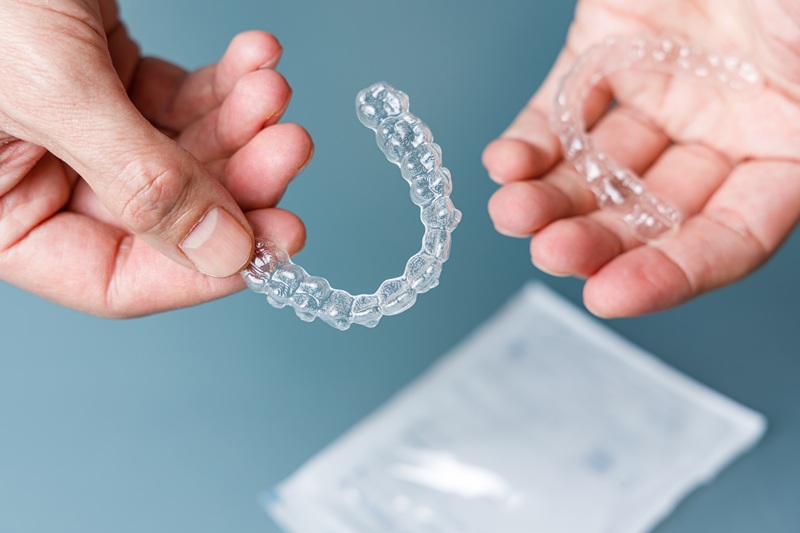
For decades, the path to a straighter smile was lined with metal brackets, wires, rubber bands, and a lot of patience. But thanks to innovations in modern orthodontics, you no longer need to wear traditional braces to achieve great results. Enter Invisalign, a game-changing solution that has helped millions of people around the world straighten their teeth with greater comfort, flexibility, and confidence.
At Briargate Dental in Colorado Springs, Invisalign is one of our most popular services among both teens and adults. While the clear aligners look simple, they are the product of sophisticated design and technology. Patients love Invisalign not only for how well it works, but for how seamlessly it fits into their lifestyle.
If you’re considering orthodontic treatment and wondering whether Invisalign might be right for you, this blog will walk you through the top seven benefits of choosing clear aligners for your smile transformation.
Invisalign Is Virtually Invisible
One of the most appealing aspects of Invisalign is right in the name. These aligners are made from a transparent, BPA-free plastic that is practically invisible when worn. That means you can straighten your teeth without drawing attention to your treatment.
For adults who work in professional environments, attend frequent social events, or simply feel self-conscious about wearing braces, this level of discretion is a major plus. Many patients report that even their closest friends and coworkers don’t realize they’re wearing aligners.
This discreet design is especially valuable if you’re:
Giving frequent presentations or attending meetings
Taking photos or videos regularly
Planning a wedding or special event
Just looking to avoid the appearance of metal braces
With Invisalign, your orthodontic journey stays private while your confidence grows more visible every day.
Invisalign Aligners Are Removable
Another standout feature of Invisalign is that the aligners are completely removable. Unlike traditional braces, which are cemented to your teeth, Invisalign trays can be taken out at any time, giving you much more freedom in your daily routine.
You’ll remove your aligners for:
Eating and drinking (anything besides water)
Brushing and flossing
Special occasions or performances
Sports or other activities where you prefer not to wear them
This removability means you won’t have to adjust your diet around your treatment. Popcorn, apples, steak, gum, and other foods that are typically off-limits with braces are still on the menu with Invisalign. Just be sure to brush your teeth before putting the trays back in.
It also allows you to keep your regular hygiene routine without struggling to clean around wires and brackets. That brings us to the next benefit.
Invisalign Makes Oral Hygiene Easier
Anyone who’s ever had traditional braces knows how challenging it can be to keep your teeth clean. Flossing around wires, brushing under brackets, and avoiding food buildup can be a daily struggle. Invisalign eliminates most of those concerns.
Since the aligners are removable, you can:
Brush your teeth as you normally would
Floss without special tools
Use mouthwash freely
Clean the aligners separately to avoid odor and buildup
Invisalign patients tend to have an easier time maintaining healthy teeth and gums throughout treatment. This reduces the risk of cavities, gum inflammation, and staining during your orthodontic journey.
At Briargate Dental, we give patients detailed instructions on how to clean their aligners and teeth to ensure everything stays fresh, clear, and healthy throughout the process.
Invisalign Is More Comfortable Than Braces
Traditional metal braces are effective, but they come with their share of discomfort. The brackets can irritate the inside of your cheeks, wires can poke out unexpectedly, and tightening appointments often result in soreness.
Invisalign aligners are custom-made to fit snugly over your teeth using smooth, flexible SmartTrack material. There are no sharp edges or abrasive surfaces to irritate your mouth. While you may experience mild pressure when switching to a new set of aligners, especially in the first few days, that feeling is generally much less intense than the discomfort of braces.
Some key comfort advantages of Invisalign include:
No metal components to cause sores or cuts
Even, gentle pressure that moves teeth gradually
No emergency visits for broken brackets or snapped wires
Easier speech adaptation and less interference with daily activities
Invisalign is designed for comfort, making it a great option for patients who want a smoother, less disruptive treatment experience.
Invisalign Works With Your Schedule
Modern life is busy. Between work, family, school, and social commitments, most patients don’t want a treatment plan that takes over their calendar. Invisalign offers more flexibility than traditional orthodontics, making it easier to fit into your schedule.
Here’s how Invisalign makes things more convenient:
Fewer Office Visits: While traditional braces often require frequent adjustments, Invisalign patients typically check in every six to eight weeks.
Quicker Appointments: Without the need to tighten wires or repair brackets, appointments are generally shorter and more efficient.
Remote Monitoring Options: In some cases, especially for established patients, progress can be monitored virtually using scans or photos.
Easy Aligner Changes: You can switch to your next set of aligners at home, on the schedule prescribed by your dentist.
Whether you’re traveling, working full time, or managing a household, Invisalign adapts to your lifestyle instead of demanding that you adapt to it.
Invisalign Can Address a Wide Range of Dental Issues
Invisalign is more than just a cosmetic solution. It can treat a variety of common orthodontic problems that impact both appearance and oral health. While it’s not the right fit for every case, advancements in Invisalign’s technology mean it can now correct issues that were once only treatable with braces.
Common problems Invisalign can address include:
Crooked or misaligned teeth
Spacing or gaps
Overbite and underbite
Crossbite
Open bite
During your consultation at Briargate Dental, we will evaluate your smile and let you know whether Invisalign is the right treatment option for your specific needs.
Invisalign Builds Confidence During and After Treatment
For many patients, the decision to straighten their teeth is not just about function. It’s also about self-confidence. When your smile doesn’t reflect how you feel inside, it can affect everything from your social life to your career.
Because Invisalign is nearly invisible, many patients start to feel more confident early in their treatment. They’re no longer hiding their smile in photos or avoiding conversations where someone might notice their braces.
And once treatment is complete, the results are life-changing. Straighter teeth not only look more attractive, but they also contribute to better oral health and comfort. You’ll feel more confident speaking, smiling, laughing, and simply being yourself.
Patients at Briargate Dental often share stories of how Invisalign helped them feel more empowered at work, more at ease in social settings, and more comfortable in their own skin.
What to Expect When Starting Invisalign
Choosing Invisalign is an exciting step toward better oral health and a more confident smile. Here’s what the process looks like at Briargate Dental:
Initial Consultation
We begin with a full evaluation of your teeth, bite, and goals. Using digital imaging technology, we create a 3D model of your mouth to map out your treatment.
Custom Treatment Plan
Your dentist will design a series of aligners that move your teeth in stages. You’ll be able to see a digital preview of your future smile.
Wearing Your Aligners
You’ll wear your aligners for 20 to 22 hours per day, changing to a new set every one to two weeks. You’ll have regular check-ins with our team to monitor progress.
Maintaining Your Results
After treatment, you’ll receive a custom retainer to keep your smile in place long term. We’ll provide care instructions and follow-up appointments to make sure your results last.
Is Invisalign Right for You?
Invisalign is a fantastic option for many teens and adults who want a straighter smile without the hassles of braces. You may be a good candidate for Invisalign if you:
Have mild to moderate alignment issues
Are committed to wearing your aligners consistently
Want a discreet and convenient treatment option
Value flexibility and comfort in your treatment plan
That said, some complex cases may still require traditional braces or combination therapy. The best way to know for sure is to schedule a consultation with a trusted provider.
Why Choose Briargate Dental for Invisalign in Colorado Springs?
At Briargate Dental, we take pride in offering personalized, high-quality Invisalign treatment in a welcoming environment. Here’s why patients choose us:
Experienced Invisalign Providers: Our dentists have extensive experience with clear aligners and stay up to date with the latest treatment techniques
Cutting-Edge Technology: We use digital impressions and 3D scans for precise, comfortable treatment planning
Patient-Centered Care: You’re not just another set of teeth. We listen to your goals, answer your questions, and support you every step of the way
Convenient Location: Our office is centrally located in Colorado Springs, making it easy to access care near home or work
Flexible Financing: We work with many insurance providers and offer flexible payment plans to make treatment affordable
Your comfort, satisfaction, and results are our top priorities.
A Straighter Smile Is Closer Than You Think
If you’ve been considering orthodontic treatment but haven’t wanted to deal with the appearance or discomfort of metal braces, Invisalign could be the solution you’ve been waiting for. From its nearly invisible appearance to the freedom of removable aligners, Invisalign delivers powerful results with a patient-friendly experience.
Straightening your teeth isn’t just about looks. It’s about improving your oral health, protecting your bite, and boosting your confidence in every area of life.
Ready to learn more? Schedule your Invisalign consultation with Briargate Dental in Colorado Springs today and take the first step toward the smile you’ve always wanted.
A healthy smile is about more than just bright, white teeth. Your gums play a vital role in supporting and protecting those teeth throughout your lifetime. Yet as we age, our gums often become more vulnerable to inflammation, infection, and disease. Maintaining healthy gums later in life is one of the most important ways to preserve your natural teeth, protect your oral health, and support your overall well-being.
At Briargate Dental, we know that gum health is often overlooked, especially by older adults who may assume that sore or bleeding gums are simply a normal part of aging. The truth is that gum problems are not inevitable. With the right habits, professional care, and awareness, it’s entirely possible to keep your gums healthy well into your senior years.
In this guide, we’ll explain what happens to your gums as you age, why they’re so important to your health, and the best strategies to keep them strong and disease-free for life.
Why Gum Health Matters
Gums, or gingiva, provide the foundation for your teeth. They act as a protective seal, keeping bacteria from reaching the roots and bone underneath. Healthy gums are pink, firm, and fit snugly around the teeth. When gums become inflamed or infected, it can lead to periodontal (gum) disease, which is one of the leading causes of tooth loss in adults.
Beyond the mouth, gum disease is also linked to several systemic health conditions, including heart disease, diabetes, respiratory infections, and even Alzheimer’s disease. This connection, known as the oral-systemic link, shows how closely oral health and general health are related.
In other words, protecting your gums does far more than preserve your smile. It also helps protect your overall health and quality of life as you age.
What Happens to Your Gums as You Age
Aging naturally brings changes to your mouth that can affect your gums:
Reduced blood flow: Circulation tends to decrease with age, which can slow healing and make the gums more prone to irritation.
Thinner tissue: The gum tissue itself can become thinner and more fragile, making it easier for bacteria to enter.
Receding gums: Years of brushing, grinding, or inflammation can cause the gums to pull away from the teeth, exposing sensitive roots.
Dry mouth: Many medications used later in life cause reduced saliva flow, which increases the risk of gum disease and tooth decay.
Changes in immune response: The body’s ability to fight infection weakens with age, which can allow bacteria to flourish in the gums.
While these changes are common, they do not mean gum disease is unavoidable. The key is proactive care, prevention, and regular dental visits.
The Stages of Gum Disease
Understanding how gum disease develops can help you recognize and address it early.
Gingivitis: The earliest stage, caused by plaque buildup at the gumline. Symptoms include redness, swelling, and bleeding during brushing or flossing. Gingivitis is reversible with proper care.
Periodontitis: If gingivitis is left untreated, it can progress to periodontitis. This stage involves deeper infection and inflammation, leading to gum recession, bone loss, and tooth mobility.
Advanced Periodontitis: The final stage can cause severe pain, tooth loss, and even damage to the jawbone. Treatment at this point often requires deep cleaning, surgery, or grafting.
Recognizing gum problems early gives you the best chance to stop the disease in its tracks.
Habit 1: Brush Gently, Not Aggressively
Brushing twice a day is one of the most important habits for maintaining gum health. However, many people make the mistake of brushing too hard, which can actually harm gum tissue.
Use a soft-bristled toothbrush and gentle circular motions to clean along the gumline. Avoid sawing back and forth, which can wear away enamel and irritate your gums. An electric toothbrush is often a great option for older adults because it provides consistent pressure and thorough cleaning with less effort.
Also, choose a toothpaste with fluoride and, if possible, ingredients designed for gum health. Look for the ADA Seal of Acceptance to ensure it meets quality and safety standards.
Habit 2: Floss Daily
Flossing removes plaque and food debris from between teeth and below the gumline, where a toothbrush cannot reach. Skipping this step allows bacteria to accumulate, eventually leading to inflammation and bleeding.
If traditional floss is difficult due to arthritis or dexterity issues, consider alternatives such as:
Floss picks or pre-threaded flossers
Interdental brushes
Water flossers, which use a stream of water to clean between teeth
The key is consistency. Cleaning between your teeth every day makes a major difference in preventing gum disease.
Habit 3: Use Mouthwash for Added Protection
A therapeutic mouthwash can help control bacteria, reduce inflammation, and freshen breath. Look for alcohol-free mouthwashes that contain antibacterial or fluoride ingredients. Alcohol-based products can dry out the mouth, making gum problems worse.
Rinse once or twice daily after brushing and flossing. If you’re managing gum inflammation, your dentist may recommend a prescription-strength rinse to help control infection.
Habit 4: Stay Hydrated and Combat Dry Mouth
Dry mouth, or xerostomia, is a common problem as we age. It’s often caused by medications used to treat high blood pressure, allergies, or depression. Without enough saliva, the mouth cannot neutralize acids or wash away bacteria effectively, leading to gum disease and tooth decay.
To relieve dry mouth:
Drink plenty of water throughout the day.
Chew sugar-free gum to stimulate saliva flow.
Avoid alcohol, caffeine, and tobacco.
Use a humidifier at night to add moisture to the air.
Try mouth rinses or lozenges made specifically for dry mouth relief.
If dryness persists, discuss it with your dentist or physician. There may be alternatives or additional treatments that can help.
Habit 5: Eat a Gum-Healthy Diet
What you eat directly affects the condition of your gums. A balanced diet rich in vitamins and minerals supports tissue repair, reduces inflammation, and strengthens your body’s defenses against infection.
Focus on:
Vitamin C: Found in citrus fruits, berries, and peppers, it helps repair and maintain gum tissue.
Calcium and Vitamin D: Found in dairy products, leafy greens, and fortified foods, these nutrients strengthen bones and teeth.
Omega-3 fatty acids: Found in fish, walnuts, and flaxseeds, they help reduce inflammation.
Antioxidants: Found in colorful fruits and vegetables, they protect gum tissue from damage.
Try to limit processed foods, refined sugars, and acidic drinks like soda, which can encourage bacterial growth and irritate gums.
Habit 6: Avoid Tobacco Products
Tobacco is one of the biggest risk factors for gum disease. It restricts blood flow to the gums, impairs healing, and increases plaque buildup. Smokers are twice as likely to develop gum disease as non-smokers, and the damage progresses more rapidly.
Quitting smoking or using smokeless tobacco can dramatically improve gum health. Even after years of use, your body begins to heal once you quit. Your dentist or physician can recommend cessation programs or aids to make the process easier.
Habit 7: Manage Health Conditions
Certain systemic health conditions can increase your risk of gum problems. For example, diabetes can reduce your ability to fight infection and slow healing. Heart disease, arthritis, and autoimmune disorders can also be linked to gum inflammation.
Work closely with your healthcare providers to manage chronic conditions. Maintaining stable blood sugar, for instance, helps prevent gum disease in diabetic patients. Regular communication between your dentist and doctor can lead to better overall care.
Habit 8: Visit Your Dentist Regularly
Regular dental checkups are essential for maintaining gum health at any age, but especially later in life. Professional cleanings remove tartar that cannot be brushed or flossed away. Your dentist can also identify early signs of gum disease, bone loss, or oral cancer.
Most adults should see their dentist every six months. However, if you have gum disease, you may need more frequent cleanings known as periodontal maintenance visits. These appointments help control bacteria and prevent the condition from worsening.
During your visits, your dental team can also evaluate your brushing and flossing techniques, discuss any medication side effects, and customize your at-home care routine.
Habit 9: Be Gentle on Dental Work and Appliances
Many older adults have crowns, bridges, dentures, or implants. While these restorations can improve function and appearance, they also require special care. Plaque can still accumulate around them, putting nearby gum tissue at risk.
Clean around dental appliances carefully each day using floss threaders, interdental brushes, or water flossers. If you wear dentures, remove and clean them daily to prevent irritation or infection. Never sleep with dentures in place, as this can cause sore spots and allow bacteria to thrive.
Regular dental visits are essential for ensuring that these appliances fit properly and are not damaging surrounding tissue.
Habit 10: Pay Attention to Warning Signs
Many people ignore early signs of gum trouble because they are mild or painless. However, early detection makes all the difference in successful treatment.
See your dentist promptly if you notice any of the following:
Bleeding while brushing or flossing
Red, swollen, or tender gums
Persistent bad breath or a bad taste
Gums that pull away from teeth
Loose or shifting teeth
Changes in your bite or dentures no longer fitting properly
Catching gum disease early allows for less invasive treatment and helps preserve your natural teeth.
The Connection Between Gums and Overall Health
Healthy gums are linked to a healthier body. Research has shown that bacteria from gum infections can enter the bloodstream and contribute to inflammation throughout the body. This systemic inflammation can affect the heart, lungs, and even the brain.
People with gum disease are more likely to experience complications with conditions like diabetes, respiratory infections, and cardiovascular disease. Conversely, improving gum health can help manage these conditions more effectively.
That’s why maintaining healthy gums later in life is not just a dental priority but a key part of whole-body wellness.
Professional Treatments for Aging Gums
Even with excellent home care, some people develop gum issues due to genetics, medication, or past neglect. Fortunately, modern dentistry offers effective treatments that can restore gum health and prevent further damage.
Common treatments include:
Scaling and root planing: A deep cleaning procedure that removes plaque and tartar from below the gumline.
Antibiotic therapy: Used to control bacterial infection in the gums.
Gum grafts: Used to replace lost tissue in cases of gum recession.
Laser therapy: Minimally invasive treatment that removes infected tissue and promotes healing.
Surgical procedures: For advanced cases, surgery may be needed to clean deep pockets or reshape the bone around teeth.
Your dentist will recommend a treatment plan based on your specific needs and the stage of your gum condition.
Building Lifelong Gum Health
Gum care is a lifelong commitment, and it’s never too late to start. Whether you’re in your 40s, 60s, or beyond, developing strong oral hygiene habits can make a lasting difference. Here are some simple ways to stay consistent:
Keep your dental supplies visible and accessible.
Set reminders for brushing, flossing, and rinsing.
Schedule dental appointments well in advance.
Stay informed about your medications and their oral side effects.
Maintain a healthy diet and lifestyle.
Taking small, consistent steps each day helps preserve your smile and confidence at every stage of life.
The Role of Your Dental Team
Your dentist is your partner in lifelong oral health. At Briargate Dental, we tailor our approach to meet the needs of patients at every age. We monitor changes in your gum health, recommend preventive treatments, and provide education to help you maintain the best results at home.
If you’re noticing sensitivity, bleeding, or other changes in your gums, don’t wait. Early attention is the key to keeping your smile healthy and avoiding more complex treatments later.
Key Takeaways
Gum health is essential for strong teeth and overall health.
Aging increases risks like dry mouth, gum recession, and slower healing.
Consistent oral hygiene, hydration, and a balanced diet help protect gums.
Regular dental visits and professional cleanings are critical.
Early detection and professional care can stop gum disease from progressing.
Keep Your Gums Healthy for Life
Your gums deserve as much care as your teeth. By adopting healthy habits, staying consistent with dental visits, and addressing concerns early, you can keep your smile strong and vibrant at any age.
At Briargate Dental, our team is here to help you protect your gums and maintain excellent oral health for years to come. Whether you need preventive care, periodontal treatment, or personalized advice for aging teeth and gums, we’re here to guide you every step of the way.
Schedule your next appointment with Briargate Dental today and take the next step toward healthier gums, a brighter smile, and a more confident you.






Recent Comments