A healthy smile is more than just a sign of confidence. It is also a reflection of your overall health. At Briargate Dental, we see every day how small daily choices add up to long-term oral health benefits. From brushing techniques to dietary habits, there are many ways to protect your teeth and gums while keeping your smile bright.
In this guide, we will cover the top 10 habits that support strong teeth, healthy gums, and lasting oral wellness. By adopting these habits, you can help prevent common dental issues such as cavities, gum disease, and enamel erosion while maintaining a smile you feel good about.
1. Brush Twice a Day, Every Day
Brushing is the cornerstone of good oral hygiene. The American Dental Association recommends brushing your teeth at least twice a day, once in the morning and once before bed. This routine helps remove food particles, plaque, and bacteria that build up throughout the day.
To get the most from brushing:
Use a soft-bristled toothbrush to avoid damaging enamel or gums.
Replace your toothbrush every three to four months, or sooner if the bristles are frayed.
Hold your brush at a 45-degree angle and use short, gentle strokes.
Brush for two full minutes each time.
Taking this time ensures that every surface of every tooth is cleaned. Brushing may seem simple, but consistency is key to maintaining a healthy smile.
2. Floss Daily to Protect Your Gums
Brushing alone cannot reach all areas of the mouth. Food particles and plaque often get trapped between teeth, where toothbrush bristles cannot reach. This is where flossing makes a big difference.
Daily flossing helps prevent gum disease by removing debris that could lead to inflammation and infection. If regular floss is difficult to use, alternatives such as floss picks, interdental brushes, or water flossers can be just as effective. The most important thing is to clean between your teeth every single day.
Healthy gums are just as important as strong teeth. Flossing regularly can reduce your risk of gum disease and even help prevent bad breath.
3. Rinse with Mouthwash for Extra Protection
Mouthwash is not a replacement for brushing or flossing, but it is a powerful supplement. An antibacterial mouthwash can reduce plaque, fight bacteria, and leave your mouth feeling fresh. Some rinses also contain fluoride, which strengthens enamel and helps prevent cavities.
To choose the right mouthwash, look for products with the ADA Seal of Acceptance. If you are unsure which type is best for your needs, ask your dentist for a recommendation. Using mouthwash after brushing and flossing can give your oral hygiene routine an extra layer of defense.
4. Choose Tooth-Friendly Foods
What you eat affects your teeth just as much as it affects your body. Certain foods promote healthy teeth, while others increase the risk of decay and erosion.
Smile-friendly foods include:
Crunchy fruits and vegetables like apples, carrots, and celery that naturally clean teeth.
Dairy products such as milk, cheese, and yogurt that provide calcium and strengthen enamel.
Nuts and seeds that contain minerals important for tooth health.
Water, which helps wash away food particles and keeps your mouth hydrated.
On the other hand, try to limit sugary snacks, sticky candies, and acidic drinks like soda and sports beverages. These can contribute to cavities and enamel erosion over time. Making mindful dietary choices supports a healthier, brighter smile.
5. Drink Plenty of Water
Staying hydrated benefits your teeth in surprising ways. Water helps wash away food debris, reduces the acidity in your mouth, and promotes saliva production. Saliva is essential for neutralizing acids and protecting enamel from decay.
Fluoridated water is especially helpful, since fluoride strengthens enamel and makes it more resistant to decay. Carry a reusable water bottle and sip regularly throughout the day. Replacing sugary drinks with water is one of the easiest habits you can build for better oral and overall health.
6. Avoid Smoking and Tobacco Products
Tobacco is one of the leading causes of oral health problems. Smoking and chewing tobacco increase the risk of gum disease, tooth loss, oral cancer, and staining. They also slow down the healing process after dental procedures.
Quitting tobacco products is one of the best things you can do for your oral and overall health. If you need support, talk with your dentist or healthcare provider about resources to help you quit. Your teeth, gums, and smile will thank you.
7. Protect Your Teeth During Sports
If you play contact sports such as football, basketball, hockey, or even recreational activities like skateboarding, wearing a mouthguard is a must. A mouthguard protects your teeth from chips, cracks, and injuries caused by sudden impacts.
Custom-fitted mouthguards, available through your dentist, provide the best comfort and protection compared to over-the-counter versions. Investing in this protective gear helps prevent painful and costly dental emergencies.
8. Limit Alcohol and Sugary Drinks
Frequent consumption of alcohol and sugary beverages can harm your oral health. Alcohol dries out your mouth, reducing saliva flow and making it easier for bacteria to thrive. Sugary drinks like soda and energy drinks feed harmful bacteria that produce acids leading to tooth decay.
Instead, opt for water, herbal teas, or sugar-free alternatives. If you do indulge in a sweet or acidic drink, try to enjoy it with a meal and rinse your mouth with water afterward. Moderation and smart habits go a long way toward keeping your teeth strong.
9. Visit Your Dentist Regularly
Even with excellent home care, professional dental visits are essential. Regular checkups allow your dentist to identify issues before they become serious. Professional cleanings also remove hardened plaque, known as tartar, that cannot be removed with brushing and flossing alone.
Most patients benefit from visiting the dentist every six months, though some may need more frequent visits depending on their oral health. Routine visits also give you the opportunity to ask questions, learn better oral care techniques, and get personalized recommendations for your smile.
10. Manage Stress and Take Care of Your Whole Health
Stress can impact your teeth in ways you might not expect. Many people clench their jaw or grind their teeth during stressful periods, which can cause enamel wear, jaw pain, and even cracked teeth. Stress is also linked to neglecting oral hygiene habits and making poor dietary choices.
Finding healthy ways to manage stress, such as exercise, meditation, or hobbies, can protect your teeth as well as your overall well-being. If you suspect that you grind your teeth, ask your dentist about a nightguard to protect your smile while you sleep.
Building Consistency for Long-Term Results
The top habits for a healthy smile may seem simple, but the real power lies in consistency. Brushing, flossing, making smart food choices, and staying on top of dental visits all work together to prevent problems before they start. Small, daily actions add up over months and years, helping you maintain a healthy, confident smile for life.
At Briargate Dental, we are here to support your journey toward better oral health. Whether you need routine preventive care, cosmetic treatments, or restorative solutions, our team is dedicated to providing exceptional dental care in a comfortable, patient-focused environment.
Ready to put these habits into action? Schedule your next appointment with Briargate Dental today and let us help you keep your smile healthy, bright, and strong for years to come.
For many adults, the dream of having a straighter smile never faded with time. Life just got in the way. Maybe you didn’t have braces as a teen. Maybe you started treatment and never finished it. Or maybe your teeth have shifted over the years, and now you’re wondering if it’s too late to make a change.
At Briargate Dental in Colorado Springs, we’re here to tell you the truth: it is never too late to straighten your smile. Thanks to advances in modern orthodontics, adults now have access to comfortable, discreet options like Invisalign that fit seamlessly into busy lives. Whether you’re 30, 50, or 70, you can achieve a healthier, more confident smile without the metal brackets and wires of traditional braces.
In this guide, we’ll walk you through everything you need to know about Invisalign for adults—including how it works, what to expect, and why thousands of adults are choosing it as the solution to reclaim their smiles.
Why Do Adults Seek Orthodontic Treatment?
While some adults have never undergone orthodontic treatment, others are returning patients who previously wore braces but experienced relapse due to lack of retainer use. Regardless of the reason, here are some of the most common motivations for adults considering Invisalign:
Aesthetics: Crooked or misaligned teeth can affect confidence, especially in social or professional settings.
Functionality: Bite issues like overbite, underbite, or crowding can cause jaw discomfort, wear on teeth, or difficulty cleaning.
Oral Health: Straight teeth are easier to brush and floss, reducing the risk of gum disease and cavities.
Life Milestones: Many adults invest in their smiles before weddings, reunions, job changes, or retirement.
Technology: Invisalign offers a modern, low-maintenance alternative to traditional braces.
What Is Invisalign and How Does It Work?
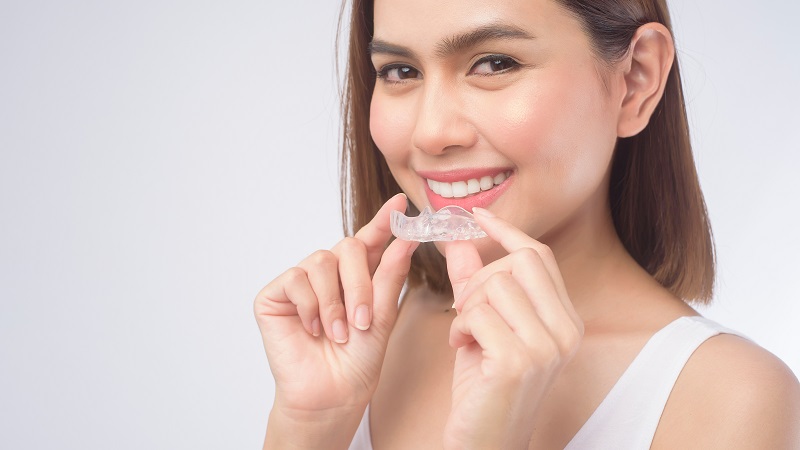
Invisalign is a clear aligner system that gradually moves your teeth into their ideal positions using a series of custom-made, removable trays. These aligners are made from SmartTrack material—a flexible yet strong thermoplastic that’s designed to fit snugly and comfortably.
Here’s how the process typically works:
Consultation: Your dentist evaluates your smile and discusses your goals. If you’re a candidate for Invisalign, they’ll scan your teeth using 3D imaging.
Custom Plan: The scan is used to create a personalized digital treatment plan, showing how your teeth will move over time.
Aligner Fabrication: Your aligners are made just for you. You’ll receive a new set every one to two weeks.
Wear and Care: Aligners should be worn 20 to 22 hours per day, removed only for eating, drinking (other than water), and oral hygiene.
Progress Checks: You’ll visit Briargate Dental every six to eight weeks to ensure your treatment is on track.
Retention: After your treatment, a custom retainer helps maintain your results.
Why Invisalign Is Ideal for Adults
Discreet and Professional
One of the biggest barriers adults face when considering orthodontic treatment is how it will look. Metal braces may not feel appropriate in a professional or social setting. Invisalign, on the other hand, is nearly invisible. Most people won’t even notice you’re wearing them.
This discreet appearance allows adults to undergo treatment without feeling self-conscious at work, during meetings, or in photographs.
Comfortable and Convenient
Unlike braces, Invisalign aligners are smooth and custom-fit to your teeth. There are no brackets to rub against your cheeks or wires that need tightening. They’re also removable, which means you can eat what you want and maintain your usual oral hygiene routine.
There are no food restrictions, no navigating around metal with floss threaders, and no emergency visits for broken hardware.
Fits Into Busy Lifestyles
Adults juggle careers, families, and social responsibilities. Invisalign is designed to fit into your routine with minimal disruption. Appointments are quick, aligners can be swapped at home, and the system is low maintenance compared to traditional braces.
Whether you’re traveling for work or managing a household, Invisalign provides the flexibility adults need.
Predictable Results
Thanks to digital treatment planning, you’ll see a preview of your future smile before you even begin. This technology-driven approach allows for greater predictability and accuracy, which is reassuring when you’re investing time and money into your oral health.
Common Orthodontic Concerns Among Adults
It’s not just about straight teeth. Many adults come to Briargate Dental with functional issues that Invisalign can address, such as:
Crowding: When teeth overlap, it can be difficult to clean effectively, leading to decay or gum disease.
Spacing: Gaps between teeth can affect appearance and trap food particles.
Overbite: When the upper teeth significantly overlap the lower teeth, it can lead to excessive wear or TMJ discomfort.
Underbite: When lower teeth protrude past the upper teeth, it may interfere with chewing and speaking.
Crossbite: When some upper teeth sit inside the lower teeth, it can cause uneven wear and gum recession.
Invisalign is capable of treating many of these concerns, although severe cases may still require traditional orthodontics or combination therapy. During your consultation at Briargate Dental, we’ll assess your unique situation and make personalized recommendations.
Frequently Asked Questions About Invisalign for Adults
Am I too old for Invisalign?
Absolutely not. There is no upper age limit for Invisalign. In fact, a growing number of patients over 40, 50, and even 60 are opting for clear aligners. As long as your teeth and gums are healthy, Invisalign is a viable option.
How long does treatment take?
The length of treatment varies depending on your case. Minor adjustments may take as little as six months, while more complex movements may take 12 to 24 months. On average, most adult patients complete Invisalign in about 12 to 18 months.
Will Invisalign affect how I speak?
Some patients notice a slight lisp when they first start wearing aligners, but it typically goes away within a few days as your tongue adjusts. Most people find the adjustment period brief and manageable.
Is Invisalign painful?
Invisalign is not painful, but you may feel pressure or mild soreness when switching to a new set of aligners. This is a sign that the aligners are working. Most patients describe the sensation as tightness rather than pain.
How much does Invisalign cost?
The cost depends on the complexity of your case and length of treatment. At Briargate Dental, we’ll provide a detailed estimate after your consultation. We accept many dental insurance plans and offer financing options to help make Invisalign affordable.
Do I have to wear retainers after Invisalign?
Yes. After any orthodontic treatment, a retainer is essential to maintain your results. Your teeth naturally want to shift back over time, so wearing a retainer at night will help keep your smile in place long term.
The Emotional Impact of a Straighter Smile
Straightening your teeth isn’t just about aesthetics. It’s about how you feel every time you smile, laugh, or see yourself in photos. Many adults report a significant boost in self-esteem after Invisalign.
Patients often share that they feel more confident during presentations, interviews, and social events. For some, it marks a fresh start or a long-overdue act of self-care.
At Briargate Dental, we’ve seen firsthand how transformational Invisalign can be. It’s not just about teeth. It’s about reclaiming your confidence at any age.
Why Choose Briargate Dental for Invisalign in Colorado Springs?
We know there are options when it comes to Invisalign providers. Here’s what sets Briargate Dental apart:
Experience with Adult Orthodontics: We understand the unique concerns and goals of adult patients.
State-of-the-Art Technology: We use digital imaging and advanced Invisalign software to design accurate, customized treatment plans.
Compassionate Team: From your first consultation to your final retainer fitting, our team provides support, education, and care.
Flexible Scheduling: We offer convenient appointment times to accommodate working professionals and busy parents.
Transparent Pricing: No surprise fees. We explain all costs upfront and work with your insurance or HSA/FSA plans.
Invisalign Success Stories at Briargate Dental
We’ve helped adults from all walks of life rediscover their smiles—teachers, business owners, retirees, new parents, and more. Many of them tell us they wish they had done it sooner.
One patient in her 50s came in before her daughter’s wedding. Another waited until after retirement to finally do something for herself. Still another was a young professional who felt held back by her crowded teeth during job interviews.
All different stories. One common theme: they took the leap—and they’re so glad they did.
Ready to Start Your Smile Journey?
If you’ve been putting off orthodontic treatment because you think it’s too late, we want you to know there’s still time. Invisalign offers a comfortable, convenient, and virtually invisible solution that fits your life—not the other way around.
At Briargate Dental, we specialize in helping adults get the smiles they’ve always wanted. If you live in the Colorado Springs area, we invite you to schedule a consultation with our team. We’ll answer your questions, review your options, and help you take the first step toward a straighter, healthier smile.
Welcome to Briargate Dental, your premier destination for dental care in Colorado Springs, CO. We prioritize your dental health and strive to offer comprehensive solutions tailored to your needs. One common dental procedure that many individuals may require is getting a crown. Whether you’re addressing damage or seeking cosmetic enhancement, understanding the process of obtaining a crown is crucial. At Briargate Dental, we’re proud to offer same-day crowns, ensuring a seamless and efficient experience. Let’s explore the journey of acquiring a crown with us.
Understanding Same-Day Crowns
Same-day crowns, also known as CEREC crowns, revolutionize the traditional crown process by enabling patients to receive their permanent restoration in just one visit. Utilizing advanced CAD/CAM technology, we can design, fabricate, and place custom crowns in a single appointment, eliminating the need for temporary restorations and multiple visits.
Initial Consultation:
Your journey towards a same-day crown begins with an initial consultation at Briargate Dental. During this appointment, our experienced dentists will assess your oral health, discuss your concerns and treatment goals, and determine whether a crown is the ideal solution for your needs. With our commitment to patient-centered care, we ensure that you feel informed and empowered throughout the decision-making process.
Treatment Planning:
Once it’s established that a crown is necessary, we’ll collaborate with you to create a personalized treatment plan. We’ll discuss the available options for crown materials and address any questions or concerns you may have. Our goal is to provide you with a comprehensive understanding of your treatment options, ensuring that you feel confident and comfortable moving forward.
Preparation:
With same-day crowns, the preparation process is similar to traditional crowns. We’ll prepare the affected tooth by removing any damaged or decayed portions and shaping it to accommodate the crown. Local anesthesia is administered to ensure your comfort during the procedure.
Digital Impression:
Following tooth preparation, we’ll take digital impressions of the treated tooth and surrounding teeth using our state-of-the-art CAD/CAM technology. These digital impressions provide precise 3D models, allowing us to design your custom crown with unparalleled accuracy.
Design and Fabrication:
Using the digital impressions, our skilled team will design your custom crown using advanced computer-aided design software. Once the design is finalized, the information is sent to our in-house milling unit, where your crown is fabricated from high-quality ceramic material. Our streamlined process ensures that your crown is crafted to exact specifications, guaranteeing a perfect fit and natural appearance.
Final Placement:
After the crown is milled, it is immediately ready for placement. Your dentist will carefully fit the crown onto the prepared tooth, ensuring optimal aesthetics and functionality. Once the fit is confirmed, the crown is permanently bonded in place, allowing you to leave our office with a beautiful, fully restored smile in just one visit.
Post-Treatment Care:
Following the placement of your same-day crown, our team will provide you with detailed instructions on how to care for your new restoration. Proper oral hygiene practices, including regular brushing and flossing, are essential for maintaining the health and longevity of your crown. With proper care, your same-day crown can provide years of durable, aesthetic enhancement.
Conclusion
At Briargate Dental, we’re committed to delivering exceptional care and innovative solutions to our patients. With our same-day crown technology, we’re able to streamline the process of obtaining a crown, providing you with a convenient and efficient experience. If you’re in need of a crown or any other dental treatment, we invite you to schedule a consultation with us and discover the difference of Briargate Dental. Trust us to restore your smile with same-day crowns and experience the convenience of modern dentistry.
Today, we’re tackling some of the most common myths surrounding dental care. It’s easy to be misled by old wives’ tales or misinformation circulating on the internet. However, when it comes to your oral health, believing in these myths can be more than just harmless fun – it can lead to poor dental practices. Let’s set the record straight and ensure you’re equipped with the right information for a healthy smile.
Myth 1: Sugar is the Main Cause of Cavities
Reality: While sugar plays a role in cavity formation, it’s not the sole culprit. Cavities are caused by the acid produced when bacteria in your mouth break down carbohydrates, not just sugar. This means foods like bread, cereals, and fruits can also contribute to cavity formation. Regular brushing and flossing, along with a balanced diet, are key to preventing cavities.
Myth 2: Brushing Harder Means Cleaner Teeth
Reality: Brushing with too much force can damage your enamel and irritate your gums. The key to effective brushing is not in the force, but in the technique and the consistency of the routine. Use a soft-bristled toothbrush and gently brush in a circular motion to keep your teeth clean and healthy.
Myth 3: Flossing Isn’t Necessary
Reality: Flossing is an essential part of dental care. It removes food particles and plaque between teeth where a toothbrush can’t reach. Skipping flossing can lead to gum disease and cavities in between teeth. Make flossing a daily habit for a comprehensive oral hygiene routine.
Myth 4: You Should Visit a Dentist Only When You Have a Problem
Reality: Regular dental check-ups are crucial, even if you don’t have any apparent issues. These visits allow your dentist to detect problems early and keep your oral health on track. Preventive care is always better than treating problems after they’ve developed.
Myth 5: Teeth Whitening Damages Enamel
Reality: When done professionally or with dentist-approved at-home kits, teeth whitening is safe and does not damage tooth enamel. However, excessive or improper use of whitening products can lead to sensitivity and damage. It’s important to follow your dentist’s recommendations and use products as directed.
Myth 6: Gum Bleeding during Brushing is Normal
Reality: Bleeding gums can be a sign of gingivitis, an early stage of gum disease. If your gums bleed regularly when you brush or floss, it’s time to see your dentist. Good oral hygiene and professional dental care can reverse gingivitis.
Myth 7: No Pain Means No Dental Problems
Reality: Many dental issues, like cavities, gum disease, and even oral cancer, can be asymptomatic in their early stages. Regular dental check-ups are essential for early detection and treatment, even if you’re not experiencing any pain.
Conclusion
Debunking these myths is crucial for maintaining good oral health. Remember, the best source for dental information is your dentist. Don’t hesitate to ask questions during your next visit – we’re here to help you achieve and maintain a healthy, beautiful smile. Keep brushing, flossing, and debunking those myths!
Welcome to Briargate Dental, your trusted partner in achieving a healthy and beautiful smile. At our practice, we understand the importance of straight teeth not only for aesthetics but also for oral health. Crooked or misaligned teeth can lead to various dental issues, including gum disease, tooth decay, and even jaw problems. Fortunately, advancements in orthodontic treatment have provided us with an innovative solution – Invisalign.
In this comprehensive blog post, we will explore the numerous benefits of Invisalign and why it is an excellent choice for achieving the smile you’ve always dreamed of. We’ll cover everything from its convenience and aesthetics to its impact on oral health and lifestyle improvements. So, let’s dive into the world of Invisalign and discover how it can transform your smile and boost your confidence.
Invisalign: The Modern Orthodontic Solution
Traditional braces have long been the go-to option for correcting misaligned teeth. While they are effective, they come with a few drawbacks, including discomfort, dietary restrictions, and the obvious appearance of metal wires and brackets. Invisalign, on the other hand, offers a modern alternative that addresses these concerns.
Aesthetics
One of the most significant advantages of Invisalign is its nearly invisible appearance. These clear aligners are custom-made to fit snugly over your teeth, making them virtually unnoticeable. Unlike traditional braces, Invisalign allows you to straighten your teeth without drawing unnecessary attention to your orthodontic treatment.
Comfortable and Convenient
Another notable benefit of Invisalign is its comfort and convenience throughout the treatment process.
Comfort
Invisalign aligners are made from smooth, BPA-free plastic, which eliminates the irritation and discomfort often associated with metal braces. You won’t experience the sharp edges or wires poking your cheeks and lips, making Invisalign a comfortable choice for both adults and teenagers.
Removability
Invisalign aligners are removable, giving you the flexibility to eat, drink, brush, and floss without any restrictions. This not only improves your oral hygiene but also allows you to maintain a regular diet, unlike traditional braces that necessitate avoiding certain foods that could damage the braces.
Fewer Appointments
With Invisalign, you’ll have fewer orthodontic appointments compared to traditional braces. You’ll receive multiple sets of aligners at once, reducing the need for frequent check-ups. This convenience is especially beneficial for individuals with busy schedules.
Improved Oral Health
Beyond the cosmetic benefits, Invisalign plays a significant role in enhancing your overall oral health.
Easier Cleaning
Invisalign aligners are removable, allowing you to clean your teeth more effectively. Traditional braces can make it challenging to brush and floss thoroughly, which may lead to plaque buildup and tooth decay. Invisalign ensures that you can maintain excellent oral hygiene throughout your treatment.
Reduced Risk of Gum Disease
Straight teeth are easier to clean, reducing the risk of gum disease. Misaligned teeth can create pockets where bacteria thrive, leading to gum inflammation and, if left untreated, gum disease. Invisalign helps align your teeth properly, making it easier to prevent these issues.
Decreased Risk of Tooth Decay
Crooked teeth can create areas that are difficult to reach with a toothbrush, increasing the likelihood of tooth decay. Invisalign aligners gradually reposition your teeth, reducing these hiding spots for harmful bacteria and minimizing the risk of cavities.
Enhanced Comfort and Safety During Sports
Participating in sports is essential for physical fitness and overall well-being, but it can be risky for those with traditional braces.
Sports-Friendly
Invisalign aligners are safer for athletes as they don’t involve any sharp wires or brackets that could potentially injure your mouth during contact sports. You can remove your aligners before playing, providing an added layer of protection and comfort.
Lifestyle Benefits
Invisalign offers various lifestyle benefits that can positively impact your daily life.
Confidence Boost
A beautiful, straight smile can boost your self-esteem and confidence. Invisalign allows you to work on your smile discreetly, without the self-consciousness that often comes with wearing traditional braces.
Social Comfort
Invisalign aligners are less intrusive, making social interactions more comfortable. You won’t have to worry about food getting stuck in metal brackets or feeling embarrassed about your smile during conversations.
Speech Improvement
Some individuals experience speech difficulties with traditional braces due to the presence of metal in the mouth. Invisalign aligners are less likely to affect your speech, allowing you to communicate clearly throughout your treatment.
Customized Treatment
Each Invisalign treatment plan is personalized to address your unique dental needs and goals. This level of customization ensures that you get the best results possible, improving your overall quality of life.
Treatment Process and Duration
While the benefits of Invisalign are clear, it’s essential to understand the treatment process and expected duration.
Predictable Results
Invisalign utilizes advanced technology to create a 3D representation of your teeth and plan your treatment. This precision ensures predictable results and helps you visualize the transformation of your smile before you even begin.
Treatment Duration
The duration of your Invisalign treatment may vary depending on the severity of your misalignment. However, many patients experience faster results compared to traditional braces, with an average treatment time of 12 to 18 months.
Minimal Disruptions
Invisalign aligners require fewer visits to the dentist for adjustments, meaning less disruption to your daily life.
Get Started Today!
At Briargate Dental, we believe that everyone deserves a confident and healthy smile. Invisalign offers a revolutionary approach to orthodontic treatment, addressing the aesthetic, comfort, and health concerns associated with traditional braces. From its nearly invisible appearance to its comfort, convenience, and overall impact on your lifestyle, Invisalign has numerous benefits that make it a preferred choice for patients of all ages considering orthodontic treatment or have questions about Invisalign, our experienced team at Briargate Dental, in Colorado Springs, is here to assist you. Contact us today to schedule a consultation and take the first step toward achieving the smile you’ve always wanted. With Invisalign, a beautiful and confident smile is closer than you think.





Recent Comments